
Oct 28, 2026 · 1h 15m 34s
DylanFox
Founder & CEO, AssemblyAI
He Raised $130M For Voice AI Back When The Market Didn't Exist
In this episode
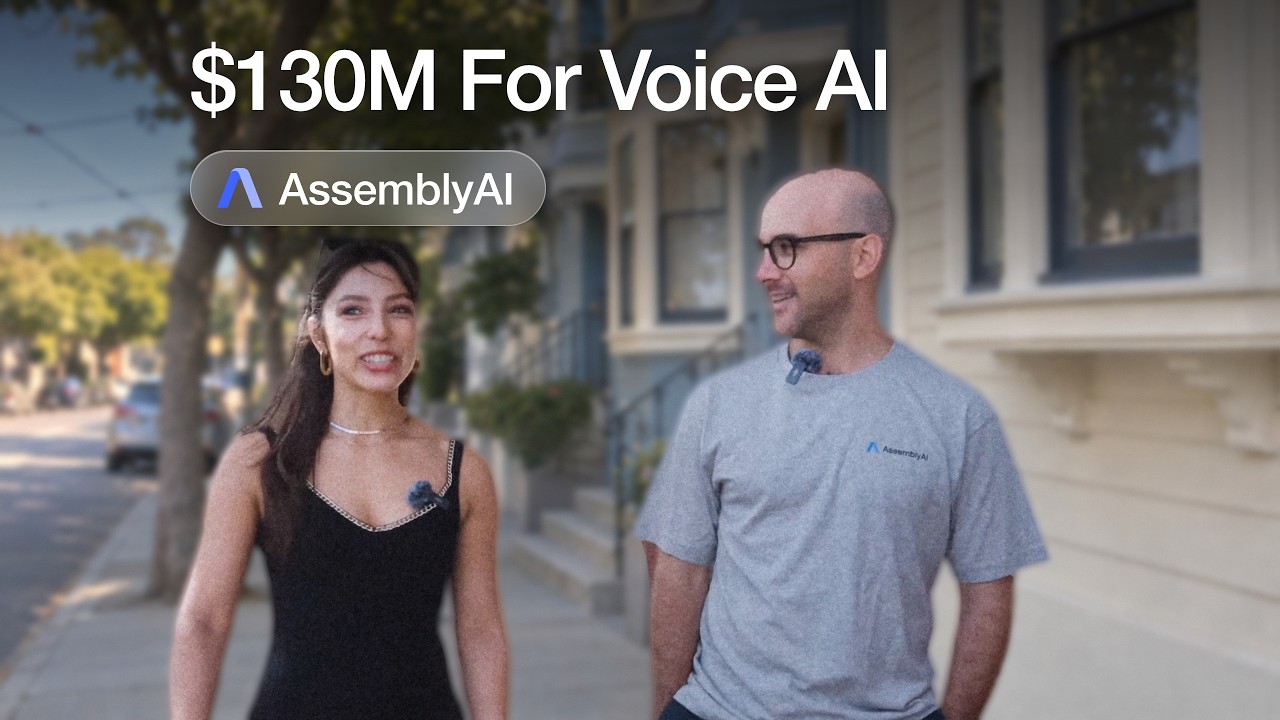
Today I’m talking to Dylan Fox, founder and CEO of AssemblyAI (https://www.assemblyai.com). Dylan taught himself to code, was a machine learning engineer at Cisco, and went through Y Combinator's very first AI batch in 2017, and now AssemblyAI serves over a million developers and 100 million API calls a day with $130M raised from Accel, Insight and Y Combinator. On October 27, AssemblyAI launches AssemblyAI-TTS-1, a text-to-speech model built for voice agents that completes its voice stack alongside streaming speech-to-text and turn detection. He gets into the five years he waited for a Series A, and why he thinks the last 10% of an AI product is where product market fit gets decided.
- Five years from founding to a Series A, in a voice AI market he says has since grown 10x
- Why AssemblyAI went 100% usage-based with no committed contracts, and how that produced around 180% net dollar retention
- The Amazon Echo commercial that pulled him into voice while he was at Cisco
- Applying to YC a month late with no co-founder, and how partner Daniel Gross vouched for him
- Scaling headcount before the business was ready, and the go-to-market reset that left AssemblyAI at 85 to 90 people
Chapters
- 00:00Trailer
- 01:16Dylan Fox, Founder & CEO, AssemblyAI
- 01:46YC's first AI batch and five years to a Series A
- 05:49Granola, Tolan and the voice agents built on AssemblyAI
- 07:27Why the last 10% of an AI product creates product market fit
- 09:43180% net dollar retention with zero committed contracts
- 14:04Field sales techs earning $20K more commission with voice AI
- 17:47Voice as the primary interface to all hardware and software
- 24:42Teaching himself to code to build a DoorDash for toiletries
- 29:17Rejected by Twilio, hired by Cisco
- 33:07The Amazon Echo that started AssemblyAI
- 40:56Applying to YC a month late with no co-founder
- 45:01How Daniel Gross got him into YC
- 1:01:30Scaling up too early and resetting go-to-market
- 1:07:21Leaning on Accel, Insight and founders from Synthesia and Pinecone
- 1:14:19Why he quit X
- 1:15:10Outro
About the guest
Full transcript
LubaDylan, thank you so much for coming on the show.
DylanYeah, thanks for having me here. It's fun.
LubaI'm so excited to talk to you about, obviously, AssemblyAI, your start as a self-taught engineer, and so many more things about what it's been like to build a company. But I want to start big, with big flashy numbers. You guys have a million developers, 100 million API calls a day, over 3 million hours of audio a day, which is insane.
DylanYeah.
LubaIt's been 9 years in for you. How does it feel?
DylanYou know, yeah, sometimes when I think about how long I've been working on the company and building the company, it's like, "Wow, I can't believe it's been that long." But there's really been these, like, different chapters of the company. And so I would say, like, for us, we really started to accelerate our growth and make a lot of progress over the last, like, 2 and 1/2, 3 years. So I started the company in 2017. We were in Y Combinator's, like, very first AI batch. There were like 10 of us.
LubaAnd I think it was the only AI-only batch.
DylanYeah, they had, like, one. I think they maybe did it again after that, but it was, like, super early days. But to give you a sense of, like, the first chapter, I mean, I started the company, started working on the company, in 2017. We didn't raise our Series A until January of 2022.
LubaOh, wow. So, 5 years until Series A.
DylanUntil we did our Series A, because...
LubaPeople would have said, not going to make it, right?
DylanYeah, I mean, you know, for me it was like I really just had conviction that, like, a company like this could do really well. And it was also just a really fun thing to be working on. But our whole product vision from the beginning was, like, building voice AI infrastructure for other companies and builders to build on top of. And the market for that was, like, very small back then.
LubaIt didn't really exist.
DylanNo, it didn't really exist. And when we look at, you know, the, like, TAM numbers or whatever, you know, over the last 10 years, the, like, market for voice AI has increased by 10x and then it's going to increase another 10x over the next 10 years. And so we're in this really big expansionary market. But in the early days, in the first chapter, I mean, there were no LLMs. Remote work wasn't a thing, so there were no, like, online meetings.
LubaYeah. No Granola.
DylanThere was no, like, 5G mobile internet. So the amount of audio, the amount of, like, voice data that was flowing over the internet, the amount of AI applications that existed, you know, were in their infancy. And so it was, like, after COVID where that started to change.
And so the first chapter was actually, like, in many ways the hardest, because we weren't making a lot of progress. And it was me and, like, the first, like, four people, you know, that worked at the company. And it was hard because there wasn't really a market. But then over the last, like, two and a half, three years is when things have started to explode. So it's been a lot more fun. And the scale of what we're building has just really, like, kind of continued to reach new heights.
And I would say, like, broader, that's what I see. I think, like, right after ChatGPT, you had a ton of AI applications start to take off and get really popular. But it's really only been in the last 18 months that AI infrastructure companies like Assembly have started to take off, because the amount of AI applications that are scaling now, that, you know, are building on platforms like ours, are growing exponentially. Whereas, like, the first movers back in 2023 or '24, you know, got a lot of the kind of early adoption from end users. So there's been these distinct chapters of the company. And so while it's been a long time, I feel like the last two, three years have been, like, a totally different journey for us.
LubaAnd I want to spend more time talking about how you reached conviction in that beginning journey of starting AssemblyAI. But let's start with the big picture. Paint the picture to me now. What are you building?
DylanSo, you know, our product vision is to build voice AI infrastructure that other companies and really any builder can build on top of. So today, you know, companies like Granola, consumer apps like Tolan...
LubaMhm.
Dylan...and huge enterprises are building voice agents and apps on Assembly. So agents that you can talk to, or ambient agents that will help doctors take notes. So we have a customer, a company building on the platform called Athelas, Commure. They build AI scribes and other AI products for healthcare. And they have a scribe product that will help doctors take notes while they're visiting patients, update electronic health records after. So really agents and apps that are voice-focused, we help companies build those on our platform.
And so we do everything from building amazing models for voice. We have the best inference stack for voice models at scale. You know, over 100 million API calls a day. Almost 3 million hours a day of audio, and that's growing at, like, a really fast rate. You know, we basically put all that together on a single infrastructure platform just to make it really easy for builders to build voice agents and apps on top of.
LubaAnd how is what you guys are working on and doing different than what OpenAI or Google is doing?
DylanYeah, so we're really focused on voice and all of the use cases for voice. So, you know, it's this interesting thing that I've realized building an AI company, that, like, it's kind of easy to get 90% of the way there...
LubaMhm.
Dylan...with an AI product. But the last 10% is what creates product-market fit.
LubaRight. And what makes the product magical.
DylanYeah, exactly. And this is true if you're building an agent or AI feature or a company like Assembly. And so what I mean by that is, like, I'll give you an example: transcription models for voice agents. One thing that most of those models do a really poor job on is accurately transcribing, like, a really short utterance that a user will say. So if they'll say, like, "yes" or "mhm" or something. And if you don't get that correct, the whole agent experience, that you're talking to an agent about, will fail. And we have, like, tons of emails around, like, that specific thing. And that's one of, like, hundreds of things that we look at. It's similar on, you know, generating speech, on building an actual voice agent. And then having all that work at scale with super low latency. And so we really go deep.
And it's why customers pick Assembly. So, you know, a big part of that is our models are really good. But then they can run at huge scale with low latency. So they can be deployed at huge scale. We have a ton of different APIs and features to help customers really build voice agents and apps effortlessly. And we're constantly innovating there. And so, you know, ultimately, like, when I see companies pick to build on Assembly, it's, you know, they realize our models are the best. They realize we have the best infrastructure. We have the best platform to build on that will scale. And that ultimately helps them build a successful product.
And I think the best stat... you know, I can point to, like, benchmarks and scale and stuff. But the best stat, I think, that demonstrates this is, like, our net dollar retention is around 180%.
LubaOh, wow.
DylanAnd so...
LubaThat's crazy.
DylanAnd that's all usage.
LubaCompared to, let's say, competitors?
DylanYou know, I'm not sure. I...
LubaYou don't watch them.
DylanI would imagine... Well, so the unique thing about us is, like, it's all pay-as-you-go, usage-based. So when you use Assembly, you only pay for what you use. We don't have committed contracts, because we built this inference stack that gives customers the ability to scale up and down without needing to commit to compute or usage or turn servers online. And so when we look at our net dollar retention, that's 100%, like, live ARR that is real usage. It's not, "Hey, we upsold this customer on a bigger contract and they've got to grow into that and we're going to put, like, 10 CSMs on it." It's all real usage.
LubaThat's very impressive.
DylanAnd I think that's the best evidence of our infrastructure helping our customers and builders to build successful agents and apps with voice. And it's why, you know, of the million developers on the platform, over a million now, I think something like 40% of those signed up last year. I mean, it's all accelerating a lot, and it's, you know, we just really go deep on...
LubaOn the quality of the products and all.
DylanYeah, and the core things that make voice agents and apps successful. And builders realize that, and, you know, ultimately, I think that's why they pick us.
LubaI'm obsessed with voice. I feel like voice has unlocked so much for me personally, because as many times as I've tried to, you know, be a writer and, like, put my thoughts down in a very concise way on a piece of paper, or digital piece of paper... like, yeah, it works, but I'm more of a talk-to-the-computer type of person, or talk to a person, than write to a person. So you just made me so much more productive. Even, like, my recent thing is I voice-to-text kind of, like, a journal entry about my day to my Claude, or whatever AI assistant I'm using that day, to then analyze patterns. How do you use voice personally?
DylanWell, I mean, it's so interesting, right? Like, so, you know, we were talking about earlier, like, I have a Tesla and they put the Grok voice engine in there.
LubaI haven't tried it yet in the Tesla.
DylanAnd I think that actually is, like, a really good example of, like, voice pre-AI and voice post-AI. So you can hit the mic button in the Tesla and you can make a voice command. You know, navigate to here or whatever. And it doesn't understand you that well. It's kind of slow. You have to be very specific on what you're saying. Like, it's not smart. But if you hold the button, you can talk to Grok, which is an AI voice agent. And you can have a long conversation. You know, it understands you. You don't have to think about what you're saying. And it's a totally different experience. And that experience is so much better that you all of a sudden, like, build a habit around, oh, I'm actually going to rely on this thing and use it. Whereas the voice command feature, you press the button and, again, it, like, doesn't work that well.
LubaIt's like using Siri.
DylanYeah, you don't adopt it and it doesn't become sticky. And so voice has been a technology that's existed for decades. Like, you can call into, like, pretty much every customer service line you call into, you're going to have some crappy voice AI that you're talking to that was, you know, some legacy IVR thing. But there's been this huge shift in the last 18 months where the AI systems you can build around voice, if you're using the latest tech, are way better. And that creates these new user experiences that are possible for the first time.
I think of a customer of ours, like, they're called Siro. They're in New York. I don't know if you've heard of them.
LubaNo.
DylanBut they have an app where if you're an electrician or a field sales tech, a roofer, and you're going to a customer's house to give them a quote, the AI can take notes for you, give you feedback after the visit, and it's really helping these field sales techs be more productive, get coaching. They're earning... Jake, the founder, mentioned, I think, something like 20K more commission per year or something as a result of the help they're getting.
And that type of app wouldn't have been possible a couple years ago, because you think about the AI: it has to understand, like, who's the customer, who's the tech, and while you're walking around the house in this noisy, complex environment, the phone's in your pocket or being jumbled around or whatever. And so there really are these new use cases and new experiences that are possible for the first time ever with modern voice AI capabilities, and that's what we're constantly pushing to relentlessly unlock.
LubaWhat about you personally? How do you use your voice?
DylanFor me, like, I mean, we obviously, like, we have note-takers in all of our company meetings. When we're meeting with customers, all that information is context that other AI agents at the company can use, but also it creates more transparency across the company. I use voice input into my computer to send messages, to work with different applications. I use it in the car.
LubaWhat do you talk to Grok about when you drive the car?
DylanWell, it's mostly questions about the car. Like, "Hey, how does this work?" But I, you know, I've started using, like, GPT Live. OpenAI's new real-time bidirectional voice model's amazing, and when you're talking to ChatGPT now, it's like... it's really good.
LubaLike talking to a friend, yeah.
DylanYeah, it's really good. And there's still some rough edges around, like, how many people are speaking, and it can go off and...
LubaIt'll want to interrupt you too much.
DylanYeah, but it's amazing. And so I'm really adopting these across, like, personal life, how I work. And, you know, we were talking about this earlier. I have two kids, two small kids. And there's now these toys that are coming out that are voice-controlled that are cool. So, like, there's a toy called Stickerbox. You can press a button and describe the sticker you want and it will make the sticker and print it out. There's, like, a stuffed animal one of our customers built, and you can squeeze it and talk to it. We have one in our office. I'll show you.
And so I think for consumer, especially for kids, there's going to be some really cool new hardware that is going to come to market soon that I think will be really good for screen time for... yeah, I said it's adults, but also kids. So instead of playing with an iPad, you can actually interact with a toy and talk to it, and be in the world and, you know, present with other people. So those types of consumer experiences are really cool.
LubaUnless you're just interacting with your AI and you're not actually present. But maybe you're learning something from the AI.
DylanYeah, yeah. Well, you know, I think that's the thing about, like, voice: it's more of, like, a communal experience, because you're talking to it. So it's out loud.
LubaYeah, right. So other people can interact and participate as well.
DylanYeah, exactly. It's less of an isolated experience.
LubaSo in a couple of years, I don't even want to say 5 years or 10 years, cuz who knows where we're going to be in 5 or 10 years. What is the world that you imagine with voice?
DylanHardware and software: voice is going to be, like, a primary interface to all hardware and software. So I don't think it will, like, necessarily replace the keyboard or mouse or touch screen, but it will be another... you know, it's like you have the keyboard and mouse and you also have the touch screen, and I think you'll also have the ability to have voice input. So sometimes if you want to sit and type, you're still going to want to do that. But other times you want to talk to a computer and command it.
And I think, especially for, like... there's so many times where I need to order something. You know, I'm fiddling with these apps on my phone. It takes, like, 20 minutes to click through these buttons on my phone or whatever. And I want to be able to just talk to my phone and say, like, "Hey, I need to order this thing. Can you just, like, go get it done?" And those types of experiences will happen, and I'm excited for that, because I really think it will kind of free us from screen time.
LubaDo you think we'll live in a world where we have, like, the equivalent of Amazon Echoes everywhere in our rooms, and then the voice will be listening and then you can just, you know, order DoorDash or whatever?
DylanYeah, and I think also, I mean, you know, I think about, like, TVs, right? Like, I think you'll be able to just say to your TV, like, "Hey, you know, turn on the latest episode of whatever." And you won't have to wake it up. It will just be smart enough to understand, like, you're talking to it, and your voice versus someone else's. So I think you'll have, for sure, like, these new voice-first devices, but I think voice will also be integrated into hardware and software. Even things like a coffee machine.
LubaYeah.
DylanYou know, we have this complicated coffee machine in our office and...
LubaHave to read the instruction manual.
DylanYeah, no one knows how to use it, right? And so soon you'll be able to just go up and talk to it and say, "Hey, you know, make me this type of coffee."
LubaIt's so much more human to use voice than, you know, press the buttons or use a keyboard. Obviously, yeah, keyboard might still stick around.
DylanI think of that analogy because, you know, if you think about a coffee machine, first it was, like, you know, physical buttons you'd press, and now they have touch screens. But next they'll also have the ability to just press a button and you can talk. So I think it will, you know, it will be a primary interface into all software and hardware. And that's what we're building for, to unlock. And there's still a lot to do, and, especially for consumers, stuff has to be, you know, super low cost and it has to be running on the edge for a lot of use cases. So there's still a lot to do and build.
LubaYeah, that sounds like a really exciting future. I'm super excited for voice. I want to talk about your background and really understand where your conviction on Assembly and voice came from. Tell me more about what you were like as a kid. Like, if I were to meet Dylan who's 10 years old, what were his hopes and dreams?
DylanWell, 10-year-old Dylan was just living in my basement playing, like, World of Warcraft. So, you know, I was always, like, into computers, video games, and...
LubaAnd was someone in your family...
DylanMy brother was too. So, like, my older brother, he would, like, build the computers that we had. He would, like, order all the parts and, like, build them. And I think I, like, watched him do that, but then I also...
LubaAge difference?
DylanHe's 5 years older. Yeah. And so I also just, like, got really into video games, and then through that, like, building websites for, like, my teams for, like, Counter-Strike or whatever. Being on IRC. And so I was just kind of always on computers and really into, like, computers and technology. And then that's really always kind of stuck with me, and just this kind of interest in, like, new technology.
LubaSo why did a computer-interested guy go study economics? You studied economics at George Washington University?
DylanYeah, you know, it's one of those things where, like, you're 17, they ask you, like, what do you want to major in, and you don't know. So you just do...
LubaEconomics?
DylanYeah, you're like, whatever. I guess I'll just do this. And...
LubaWhat were your parents influencing you to become?
DylanOh, nothing. They didn't... Yeah, no.
LubaHow come they didn't care?
DylanI don't know. I mean, it wasn't, like, a "we don't care"...
LubaThey were just like, oh, as long as he's happy.
DylanOh yeah, he's going to, like, a school that seems good and this seems safe. So fine. So yeah, they never, like, pushed me one way or another.
LubaAnd you grew up in...
DylanIn New Jersey. Yeah, on the East Coast. Yeah.
LubaYou seem like an East Coast guy.
DylanYeah. And then, you know, in... yeah, a couple startups, and through that, like, got really into programming and learning how to code.
LubaSo when you got to college, were you like, okay, economics is, like, whatever. I'm not that interested. I'm just going to do side projects.
DylanYeah, pretty much. I mean, after, like... I think the last year of college I, like, barely went to classes, because I was just trying to work on these startups and...
LubaWere you considering switching majors?
DylanNo, I just wanted to, like, be done with college.
LubaWhat was so bad about college?
DylanWell, I mean, I just knew the classroom setting wasn't...
LubaWasn't for you.
DylanYeah, I always learned best by being, like, hands-on and doing stuff. So, you know, like, for me, like, I learned how to code and program by, like, building apps and stuff.
LubaHow old were you when you started learning how to code?
DylanWell, I started learning, like, HTML and stuff when I was, like, probably, like, 12 or whatever.
LubaOh, wow. Okay.
DylanAnd then I...
LubaDidn't cross your mind to go study CS?
DylanNo idea. That's a good question. I mean, when you're that young, I just feel like, at least for me, it's just like your surroundings influence you so much, and I don't think I knew anyone that went to college for, like, computer science...
LubaYeah, yeah.
Dylan...from my high school or whatever. So...
LubaYeah, that's fair.
DylanIt's just, I didn't even, like, think about it as an option. But then I got really into programming and stuff, and that's how I got into machine learning. I just bought a couple books about machine learning and taught myself, and then moved out here to San Francisco.
LubaSo when you taught yourself how to code, you were still in college?
DylanYeah. Yeah, I bought a book on PHP and Python and then just kind of...
LubaBut take me back to that decision. Like, why did you guys... why did you decide to buy some books about machine learning?
DylanWe were trying to launch this startup. We needed an app and a website. There were two. One was, like, a precursor to DoorDash. So it was, like, basically a way for college kids, if you needed, like, toiletries, to, like...
LubaUh-huh.
Dylan...you know, order them on demand. And then the other was, like, a...
LubaWait, what kind of toiletries would students need to order on demand?
DylanYou needed, like, shampoo or toothpaste or toilet paper or whatever.
LubaOkay. Okay.
DylanJust, like, you know, order them, and then they'd be there, like, within 24 hours, cuz we had, like, a facility, you know, on the campus, like a garage that we would deliver stuff from. But we needed, like, a website and app to, like, pay and have people order whatever. And so it was kind of, like, organically. We just needed that, and so I built it, and then was like, "Wow, this is really fun. It feels like a, you know, like a game," you know? And then...
LubaYeah, I remember my...
Dylan...deeper.
LubaYeah, I remember... I was also a self-taught engineer, or, like, computer scientist, whatever, programmer. But I started way later, when I was 21. I was studying chemical engineering, and then I realized that the ability to see anything produced in the real world by being a chemical engineer is very, very slow.
DylanYeah.
LubaAnd then all these computer science kids, they can just build stuff out and the feedback loop is much faster. So I remember I started with HTML, CSS, and, like, seeing things come up on the screen after, like, minutes. It was really cool.
DylanTotally. And now with AI, everyone has that experience, cuz you can just see AI build things for you, like, right in front of you, and it's so addicting. And that, like, process of, like, building stuff, like, getting feedback, iterating, was really just, like, fun.
LubaSo what happened with that startup?
DylanThey didn't go anywhere. Yeah, yeah. I had no idea what we were doing, and I think it was more, like, college, like, energy. It wasn't that serious. We just were trying to, you know, start something or whatever.
LubaTrying to be enterprising.
DylanYeah, exactly. But then after college I just kept kind of programming and doing, like, kind of contracting jobs, and got really into machine learning. And that's when I came out here and got a job as a machine learning engineer at Cisco.
LubaWhat about machine learning specifically made you so interested in it?
DylanYeah, it just seemed like a harder kind of programming problem, and more of a kind of technically challenging problem. And then also, you know, I think it felt closer to kind of where, like, the future was going. And, you know, it was, like, back in, like, probably 2015 or around that time. So, you know, neural networks started to become more popular, and it was, like, early days of, like, TensorFlow and deep learning frameworks and papers. So it just felt like this new area of computer science and of technology that was really, really interesting.
LubaSo you mentioned that it seemed harder. How come harder is the word that you picked to describe machine learning specifically? Why was that particularly a big motivator for you?
DylanYou know, I think I've always, and still am, just kind of motivated by, like, challenges. And even a startup, it feels that way. It's like you're building something. So it's always this, like, kind of building things. And that's even why I was really into these, I think, like, video games as a kid, because it was like you're building this world and you're getting to new levels and...
LubaThe quest.
DylanYeah, it's all kind of wrapped up in there, where it's like, you know, there's a lot to... it just feels like there's a lot to explore, and I like that feeling of you're kind of figuring things out.
LubaSo you graduated college, you were kind of entrepreneurial in college with a couple of startups, as you mentioned, but you decided to get a job at Cisco. Why not go and start a company after college?
DylanI considered it, but I just didn't know what I wanted to do. And I do think it's true, like, if you're going to start a company, you at least need to commit to it for, like, 5 years.
LubaMhm.
DylanAnd be ready to work on this thing for the next 5 years. And so I did experiment and try things, like a bunch of random ideas, but after a couple months I would kind of get bored or lose interest. And so I didn't want to force it. And then I also felt like I want to be out here, and I want to learn a lot more about programming and products and building things. And so the opportunity came up with... well, actually, it was first a friend of mine was trying to recruit me to be a developer evangelist at Twilio.
LubaOh, cool. Which is kind of similar to...
DylanYeah, yeah. And they didn't end up giving me the job. They rejected my application. But then I think through that experience I was like, okay, I want to actually be out here and, like, work at a startup, or just work at a technology company, and not be, like, kind of just on my own.
LubaI feel like Cisco's an unobvious choice in comparison to, say, Twilio at the...
DylanYeah, yeah, totally. There was this cool team, though, trying to innovate and build new products. And, you know, it was kind of this, like, incubator within Cisco that felt exciting, cuz you're building things.
LubaWhat products were they building?
DylanIt was trying to add, like, natural language interfaces to some of the Cisco, like, video conferencing hardware. And then that's when, you know, I kind of got into voice and natural language understanding and processing, and kind of fell into this whole space. And it was around that time that Amazon Echo came out.
LubaYeah. How long were you at Cisco for?
DylanI think it was, like, 2 years. Yeah.
LubaAnd what were the highlights of your experience there? So you got into natural language processing and voice there?
DylanYeah, I think it was this interesting thing where, like, I mean, I had started some, you know, those startups in college, and I think it was, like, seeing that even at, like, a big company, things are dysfunctional too.
LubaWere you surprised?
DylanI kind of, yeah, yeah, cuz, you know, it was my first, like, real job. And I think that was, like, calming in a way, cuz it was like, no one has it figured out. And that, like, a huge public company with, like, tons of revenue, everyone's still just figuring it out and...
LubaYeah, I feel like everyone has that realization at some point in their 20s, that, oh, there's just some confident person...
DylanNo one knows anything.
LubaNo one knows.
DylanYeah, exactly. And so that gave me the confidence to go and try to start my own thing. But I was probably, like, too early, right? Cuz, like we talked about earlier, it was, like, 5 years before we raised our Series A. It probably would have been much better to start Assembly in, like, 2020.
LubaDo you really think so, though? Because I bet it gave you a really great foundation to be the kind of person...
DylanYeah, like, I don't... like, it was super fun. But yeah, I think that the market back... I mean, no one wanted to invest in the company, cuz they were like, oh, what's the market for, like, you know, this stuff? And now it's so obvious, but...
LubaYeah.
Dylan...back then it was, you know, a really small market. So yeah, we were just a few years too early.
LubaSo how did you get into voice at Cisco? What happened exactly?
DylanWell, I bought an Amazon Echo. It was really the Amazon Echo, because, you know, I saw the commercial for it. I was like, wow, and then bought one and was blown away how well it worked. And, you know, we talked about the difference between, like, voice dictation in the car versus, like, talking to an AI in the car, and how different that is. And that's what the experience with an Echo felt like for me, where it's like, wow, this thing works, and it works so well, such that this is, like, a brand new user experience for me, and I'm building habits around it now, and I'm able to use it and rely on it, and I actually, like, reach for it and, like, want to use it. And it was the first type of voice product I ever used that had that experience for me.
And so then I wanted to start building my own stuff with voice and see what I could do, like, at Cisco with voice. And that's when I realized, like, there was really no platform for developers at the time to build with voice. It was, like, this enterprise technology, and it wasn't available to you to build with.
LubaAnd how long did it take you, from having that realization to actually quitting your job to be like, I'm going to go all in on this?
DylanIt was probably, like, 6 months or something. You know, cuz for me it was this combination of, like, a lot's happening in deep learning, and over the next 10 years it is going to continue to, like, advance and develop, and I wanted to be in that space.
LubaThat's fair, but I feel like in, whatever, 2015, 2016, probably when you started thinking about it, a lot was happening in deep learning, but it was still very, very far away.
DylanYeah, yeah, totally.
LubaSo why were you like, a lot is happening and...
DylanI felt like I could see that over the next 10 years, deep learning, AI, was going to get better and better, was going to, like, kind of revolutionize, like, so many products, and natural language, like, interfaces as well. And so I wanted to be kind of building in that direction. And then I felt like, you know, building developer tools that other people can innovate with, I always was passionate about.
And so it was this, like, combination of things for me, where it's like... I still love what we're building, and I love seeing people build really cool things with it that they genuinely, like, couldn't without our platform. And so it's like a tool that is helping people kind of unlock their creativity and their innovations.
LubaAnd you were quitting your job to work on this. Did you think that it would all materialize itself very quickly?
DylanI didn't have any expectations, to be honest with you.
LubaBut you didn't have, like, oh, you know, I'm going to work on this for 2 years, see how it goes, and...
DylanNo, I mean, I kind of just, you know, just started working on it, cuz at the time, you know, I was young and just, like, kind of jumped into it. And it was my first, like, real startup. I mean, I had of course, like, started some small things before, but it was my first real, like, startup.
LubaSo you were like, I'll figure it out.
DylanYeah, yeah. Whereas I think, like, you know, if I were to start a new company now, or even now when we're, like, launching a new product or something, you know, we know what we're doing. So it's like, all right, like, here's what we should expect and here's our goals and whatever. But also at the time, I mean, the market for what we're building, like, didn't really exist.
LubaDid it feel risky?
DylanNo, not really, cuz I mean, I knew I could always go get a job as an engineer.
LubaWhat gave you that confidence? Cuz I think, especially, like, now there are so many people starting companies and there's so much capital around that it really doesn't feel that risky. But back in 2016, 2017, it was really different.
DylanYou know, this is, like, pre-kids. You know, I got, like, Target furniture in my apartment. So it's like, you know, my personal, whatever you can call it, like, needs were very low. So yeah, I just didn't really think about it in that way at all. Yeah.
LubaInteresting. So I always wanted to start a startup as soon as I found out that that was a thing that one can do. And for a few years I was working as an engineer, then in product, and then it took me probably, like, 8 months to get comfortable with the idea of taking that leap of faith and risk. And what you said, of, oh, I can always get a job: I knew that rationally, but it definitely took some time to get emotionally comfortable with the idea that I'm not going to end up, you know, under the bridge trying to feed myself. So I'm very impressed with your, like, oh, yeah, it was just very easy.
DylanYeah, well, I had, you know... when, after college, I basically lived, like, on credit card debt, and then got my job at Cisco and paid it all off. So I'd already kind of done the rack-up-credit-card-debt, find-a-job, pay-it-off thing. So I was like, worst case, I'll just do that again.
LubaI see. Okay, fair. I did not do that.
DylanYeah, so I guess my risk tolerance was always, like, kind of high. Yeah.
LubaHigh. Does it run in the family at all?
DylanI don't know. I don't think so. I don't know where it's from.
LubaInteresting.
DylanYeah.
LubaOkay, so sounds like you just didn't really care about the risk. You had high risk tolerance. And you also had very low expenses. Were there any other considerations? Like, were you... I don't know, did you have to have a chat with your girlfriend?
DylanNo, no. I think, you know, a big part of it was, like, I felt like I could see where the broader AI industry was going back then. You know, I went to some of the first TensorFlow meetups, and I was reading a lot of blogs and books and papers at the time on some of the early deep learning systems for voice, for computer vision. And that also, I think, provided some mental safety, that it didn't feel like, okay, if I spend 5 years working on this and it doesn't work out, I'm...
LubaYou're still going to learn valuable skills.
DylanYou know, so if anything, it felt like a way to learn new technology really deeply and rapidly, in a way that I had conviction around was going to be really important.
LubaYeah, it's not like you were quitting to start a laundromat. Although you'd probably learn some skills there, too.
DylanYeah, or, like, you know, a, like, marketplace or something, you know. This was like... the core of the product has always been, yeah, this, like, AI, you know, R&D and, like, research engineering kind of work. And that to me just was like, I want to work on that. So I think that provided also some, like, mental safety, even if it didn't work out.
LubaYeah. I love that. Yeah, that's a very mature way to look at it. That you're learning new skills, and it's a technology you were interested in, and it's going to go somewhere, and you'll probably get a job if it doesn't work out.
DylanYeah, exactly.
LubaWhat about the co-founder piece, cuz you're running solo? Were you considering getting a co-founder?
DylanYeah, for sure. So when I applied to Y Combinator, it wasn't with the intention I was going to get in. It was just to apply and see...
LubaWait, what do you mean, without it? That's getting in.
DylanI...
LubaAnd actually I want to talk about it, cuz you have kind of a funny story of getting into YC. You applied much later than the deadline.
DylanYeah, so I applied a month late. And my plan was to, like... I'd raised a little bit of seed funding after I quit my job.
LubaMhm. Who did you raise from?
Dylan50 or 100K. Just, like, angels.
LubaFamily and friends, or, like, actually...
DylanYeah, like, angels in my network from out here. And, well, I mean, it wasn't that, like... I think we raised, like, you know, somewhere between, like, 50 and 100K. Just, like, a small amount of capital. And so my plan was, like, let me get to a V1 of the product. There were some people that I was friendly with that I was going to recruit as, like, co-founders, and then apply to YC later. But I don't know what made me apply when I did, but I applied, like, a month late to the summer batch.
LubaOne thing that comes to mind is maybe you just wanted to apply to clarify your own thinking, because the application kind of forces you to do that.
DylanNo downside to do it. But I remember thinking, oh, should I apply now or should I apply in the winter? And I was like, well, I'll just apply now and probably won't get in, and then I'll apply in the winter. Because, you know, it was just to increase the probability of, like, something happening that would be good. So I didn't put much thought into it. And then I went to Europe with my wife and got a text, it was like, "Hey, can you come interview?" And so flew back and interviewed. And, you know, Y Combinator, it's only 12 weeks. It's really short. And so because I applied so late, when I got in, it was starting the next week.
LubaOh, wow. And you guys were on vacation in Europe at the time.
DylanSo we were just, like, kind of, you know, working from Europe.
LubaOkay.
DylanBoth of us were founders. So we were just there for, like, a month.
LubaOh, your wife is a founder, too?
DylanYeah, exactly. Yeah.
LubaCool. Okay.
DylanAnd she is from Denmark. So we were just, like, kind of in Denmark and...
LubaIs she a tech founder? Or...
DylanYeah. Yeah.
LubaWhat is she building?
DylanWell, she started, like, an AI fintech company a couple years ago that got acquired. And then now she's, you know, doing, like, a bunch of different...
LubaVery cool. Yeah.
DylanYeah.
LubaWow, so two founders.
DylanYeah. Yeah. So...
LubaI want to talk about that. But back to the YC story. So you fly from Europe for your interview.
DylanYeah. And then got in so quickly that, you know, I had to decide, okay, am I going to spend, you know, like a third of YC, like, recruiting a co-founder and kind of doing that, or just get through the 12 weeks and then do it after?
LubaMhm.
DylanAnd then over those 12 weeks, like, we made some progress and raised... I think I raised, like, a million dollars after YC. And so then it was like, "Okay, I can, you know, just hire some people." Like early...
LubaFounding members.
DylanExactly. Like founding employees, founding team members.
LubaHow did it feel getting in? Like, you had zero expectations of getting in.
DylanI remember having, like, you know, a tremendous amount of anxiety about it, because you go and, you know, I think it was, like, 300 companies.
LubaMhm.
DylanAnd, you know, most people have teams, most people are further along. And...
LubaAnd you're like, I have nothing.
DylanJust starting.
LubaWhy do you think they let you in?
DylanWell, so the partner that we had was this guy Daniel Gross, who, him and Nat Friedman ended up, you know, doing a lot of AI investing.
LubaYeah, yeah.
DylanThey now are at Meta. And they both invested a lot of capital into the company after YC. But Daniel, he worked at Apple. He saw the state of voice technology there and was a big believer in the idea. So I think he probably, like, vouched for us, and, you know, it's why we got into YC. And then after YC, he also invested a bunch in the company. And...
LubaEarly believer.
DylanYeah, early, like, really early believer in the, like, product vision that we had.
LubaSo then take me to that 12 weeks at YC. You have a bunch of anxiety, everyone's much further along, you don't have a co-founder, you're just getting started. What was that like?
DylanYeah, it was a whirlwind. I think it was really hard to figure out what to prioritize. You know, cuz, like, you just want to make a lot of progress for the demo day.
LubaMhm.
DylanCuz that's this kind of end of YC, and then you raise capital. It's, like, the assembly line of YC. And so it was really hard to figure out what to prioritize, because you could, you know... for me it was like, you could train a new model, make it better, but that would take, like, 30 days. And then, you know, you can only do that, like, three times throughout YC, cuz it's 90 days. It's, like, three months. So it's like, do you do that, or do you just try to figure out who could use the thing that you have now? But again, the market was really small. So it's hard to know what to focus on: getting some traction or just making the product better.
LubaYeah. And I bet training the models took a long time also back then.
DylanYeah. So it was really hard to know what to focus on back then.
LubaSo what did you focus on?
DylanChanged week to week, is the reality, yeah. Yeah, really just changed. But we did find some other YC companies that became some of our first customers. And then that...
LubaAre they still around?
DylanYeah, one of them actually is still a customer. So, like, yeah, yeah. Yeah, it's a company called VoiceOps. Yeah, so they're still a customer. You know, VoiceOps, they have an AI for sales teams. And yeah, they've been around a while.
LubaYeah, they've been early.
DylanYeah, exactly. But yeah, they're based in New York. They're still a customer. If not the longest, one of the longest-standing customers that we've had. And they churned once and then they came back. So it wasn't a continuous story with them. But yeah, we found some early customers and we just kept building and...
LubaAnd who was "we" at that point?
DylanSo there were a couple of folks that I brought on board. I mean, it was really just, like, three of us. It was a guy, Guru, and Michael. And they're awesome. They started a company together...
LubaMhm.
Dylan...and just went through YC, actually.
LubaThat's sweet.
DylanAnd so it was a really small team. Yeah.
LubaOkay, so YC, you were like, what do I focus on? But in the end, it all worked out fine, because you've raised a million dollars, you had some customers. Let's get back to that story of conviction, cuz at the very beginning you mentioned quite a few times, like, okay, you were early and nothing was happening for 5 years. Should have started the company in 2021. What were those few first years like?
DylanIt was a lot of that feeling of, like, do you just go make the technology better, to cross these new thresholds, or do you take what you have and go find the market for that? And oscillating between that, because you want to make progress, and there always is a market for something. But the more impactful work has, like, the delayed gratification, which is, like, make the core thing better, cross these new thresholds, unlock these new kind of tranches of the market that you can then go sell to and acquire. So it was a lot of that back and forth.
But we needed some other macro trends to come together. So, you know, like, COVID was a big one, where all of a sudden remote work turned a lot of collaboration online. And so the amount of audio data going over the internet... we had, like, AI note takers and stuff that started to come out around that time. Podcasts got really big around that time. There's a lot of, like, podcast search engines, cataloging of, like, online content. Those use cases started to happen around COVID.
But then once you had these general-purpose LLMs become available to developers, and they could use, you know... and then you have, like, vector databases and this whole ecosystem of AI infrastructure come out, that's when this explosion of AI applications starts to really happen. Where now if you want to build an AI application, you have LLMs, you have... like, if you think about the toy example that I talked about earlier, where there's a toy that you can talk to and it will create a sticker for you and then print it.
For that to be possible, you need the voice, for sure. But you also need the image generation model to make the sticker. You need some other natural language processing technology to do, like, content moderation.
LubaMhm.
DylanYou need good Wi-Fi. You need the hardware to be able to ship that toy. So, you know, you need all that to come together. And now I think the reason why AI infrastructure companies like Assembly are growing so much is because there is this really broad ecosystem of infrastructure for people to build on now. Probably the biggest thing is these, yeah, coding agents now. So now it's not just these engineers, it's any creator, builder, can build stuff. And so we see this huge surge of builders that aren't, you know, product teams in a traditional sense, using our APIs to build workflows for their personal use or for, like, their small business. And that's where we see a lot of, like, new demand coming from.
LubaSo in 2020, there were all these inflection points that luckily happened for Assembly. For the first 3 years, not much was happening, as you pointed out. How much were you grappling with that question of, am I even working on the right thing?
DylanI never had that doubt of, like, is this the right thing to work on? It was more just, we could have over-rotated on, hey, the market for voice back then is, like, court reporting. So let's just go really deep there. But I think we always had this, like, kind of vision for: there's going to be all this new, like, cool stuff that people can build, and we want to just kind of get there. But it took a while to get there, where the use cases pre, you know, 2022 were more disrupting, like, legacy use cases versus the greenfield net new stuff that we wanted to be building for.
LubaAnd one thing is being convinced as a founder, where it's your thing, you were convinced that this is the technology that's going somewhere. I assume you still had at least those two engineers and maybe other team members over those first few years. How did you inspire and convince them to stay?
DylanYeah, well, I mean, I really view the first couple people as, likely as, you know... and, you know, we were all kind of really building it and kind of in it together, you know, and we all work together, and, you know, we're all here in San Francisco. And so we were just trying to, like, make it happen together. It was a lot of fun.
LubaSometimes, you know, if you're working on something and there isn't anything happening, especially if you're married, there might be a conversation at home of, like, okay, you know, is this going anywhere? But your wife is also a founder.
DylanYeah, yeah.
LubaWhat was the conversation at home? Was it, like, 100% support: I understand what you're working on, you believe in this, so keep going?
DylanYeah, totally. Yeah, I don't think we ever even talked about it, you know, in that way, you know what I mean? It's just like...
LubaYou do you.
DylanYeah, it was just, you know, fun to, like, try to build something.
LubaThat's amazing.
DylanYeah.
LubaWhat was that, you know, being two founders at home? I guess she sold her company now, so maybe her life is a little more balanced than running an AI fintech company. How did you guys manage to stay and thrive through the years of the grind?
DylanI think, luckily, like, her startup was taking off while mine wasn't. And then, you know, when mine was and is, like, you know, she's exited her company. So the timing worked out, luckily, where that was the case. But if it had overlapped, I don't know. It would have been much harder.
LubaAny advice for people who are in relationships where both people are founders?
DylanIt's fun. I mean, you know, we, you know, like, talk about the product a bunch and stuff, and, like, we've used each other's products. We can give each other, like, product feedback. So it's fun.
LubaThat's awesome. Lots of user research.
DylanYeah, exactly. Exactly.
LubaAnd how has your life changed since you've had kids? And, like, time management of it all.
DylanYeah, totally. No time for, like, exercise or anything.
LubaZero.
DylanNot really. I mean...
LubaYeah, I read somewhere that you used to be a CrossFit guy.
DylanThat, yeah, like, years and years ago. Yeah, yeah.
LubaI got it. I got it. No more CrossFit.
DylanNo, I mean, yeah, we have a 4-year-old and a 3-year-old. So between, like, working and then them, there's, you know, that's kind of all there is time for. So it's fun in the sense that it's, like, super full all the time. But I think just trying to... like, one thing I really try to do is, like, you know, always be home for, like, putting them to bed and, like, you know, having dinner and stuff. Even if it's just, like, you know, like 2 hours at the end of the day, and just, like, be really as present as I can for that. But it's hard to balance it all.
I think it's probably easier now than it ever has been, though, fortunately, cuz if I think about, like, you know, pre-Slack, or the ability to even, like, work from home when you need to, that would be, like, really hard. And we have an office here, we have an office in New York, but we also have a ton of people that work remote. So we're very, like, hybrid, kind of flexible company, which I think is why we actually have a ton of people that have kids at the company. And we try to be, like, as supportive to, like, parents as possible, cuz it just requires, like, flexibility.
LubaSo work, kids, no workouts, no friends? Or do you still have time for it?
DylanI mean, there's really just, you know, on the weekends, for sure. But it's really just, you know, the weeks are, you know, just the startup and family. Yeah.
LubaSo there's two acts to the company. Act one, as you said, lots of building, not much happening. Act two, now a lot of things are going on and there's a lot of customers, and you guys have very impressive growth. Tell me more about the second chapter. How has it been for you personally?
DylanIt's been a lot of fun. Because I think the, like, vision for the product and market that we had is really starting to come to life. And so, you know, every month there's tens of thousands of people that sign up for the API. We're launching new products and features all the time. Our customers are taking off. I mean, we have a lot of customers now that are billion-dollar customers... sorry, billion-dollar companies. You know, they've raised, like, tons of funding. When I think of, like, Granola, you know, I think of... you know, we have customers like Retell, Fireflies. So where voice is, like, the core of what they're doing, and they're taking off and they're super successful. So it's really cool to see, like, their success.
And then, you know, every couple months, it seems like there's these new... you know, we cross these thresholds and then there's these new use cases that come to life. So now, you know, we're seeing a lot of stuff with consumers, like these toys. I'll show you the sign on the desk over there. But seeing those start to come to market is really cool. So the pace of developments is just, like, much faster now, and it's really fun to just, like, see how much all that is developing.
LubaWhat have you had to learn as a leader from one chapter of the company to another?
DylanI think in the early days of scaling, you know, doing it for the first time, you tend to really, like, lean on, like, best practices, or, like, the kind of stereotypes, if you will, for, like, you know, how to build and scale a company. But in today's world, especially with AI, like, so many of the rules of, like, how you operate a company and how you, like, scale a company, I think, are changing.
LubaAre there any examples of you following the stereotypes that didn't work out?
DylanOne example is probably, like... it's kind of a boring example, but, like, you know, how we do, like, pricing and packaging for the company. So we started out by doing, you know, traditional, like, contracts, right? 12-month agreements. But we felt like, for our customers, that just wasn't the best, like, experience for them, a customer journey. It didn't kind of fit with what they were trying to do. And so we decided to go 100% usage-based and pay-as-you-go. And that's been amazing for our customers, but, you know, it's nontraditional in the sense of, like, how, you know, every company before us has done it.
So there's been a lot of small examples like that. But we are constantly applying that to decisions. So, like, where do we need to invest in the company? Like, how should we think about, like, the role of product at a company like ours? How do we think about, like, the hierarchy of the company? So we're only, like, 85 or 90 people or something at the company.
LubaYeah, that's not that many people for the amount of...
DylanNo, yeah, and...
Luba...customers you guys are supporting.
DylanYeah, exactly. And we've tried to be really intentional about that.
LubaThere was a period where you had to scale down.
DylanYeah, yeah. So, you know, we raised a bunch of money and then we scaled up kind of before we had figured out...
LubaWas it, like, the regular trope of raising a bunch of money and being like, well, we must hire a lot of headcount?
DylanYeah, and just kind of trying to scale before you're ready to scale, and before you really know, like, what's working and what are the right things to scale up, versus, like, where you're still learning, before you need to scale up. So we had to, you know, reset our go-to-market, really, was the big thing. It's, like, reset our go-to-market and kind of rebuild a new, like, customer journey for how our customers want to buy and...
LubaWhat was it like realizing that you needed to scale down, and actually going through that?
DylanWell, I think at some point it was just so obvious that, like, the way we're trying to go to market was, like, not a match with our customers. And so...
LubaAnd how were you going?
DylanWell, we were just trying to apply more of, like, a traditional...
LubaSales motion.
DylanYeah, sales motion to, like, selling AI infrastructure. And I think that was one part of it. But I think the other part is the market for AI infrastructure, still, though, in, like, 2023, was pretty early, because the kind of phases of AI in the market, I think, have been... I think, when did ChatGPT come out? It was, like, 2023. Yeah, so 2023, ChatGPT came out.
And then 2023, 2024, there were a lot of these, like, first movers in AI applications. Really smart teams bringing AI-native applications to market first. So I think about, like, Perplexity, a company like Jasper, Lovable, right? But there weren't, like, a ton of them. And we were always focused on infrastructure. And so it's really, from our point of view, not been until, like, last year where there's just been this explosion of applications. And that's accelerating even faster now with coding agents, cuz people are just building so much software now, that AI infrastructure companies are really scaling. And, you know, we see it with our peers and companies that we're friends with that are also in AI infrastructure. But that's really started in, like, 2025. And our metrics are representative of that as well.
So I think even scaling up the go-to-market in, like, 2023, it was still, actually, also too early. So it was a mix of, like, being too early, but also not having the right motion ready to scale. Whereas now it's like, you know, the go-to-market motions we have are, like, you know, they're working. They're, like, really, really easy to, like, understand.
LubaYou have playbooks.
DylanThe demand is, like, really strong. And so it's easy to say, "Okay, yeah, let's go invest here. Let's go invest here. Let's go invest here." And have the conviction that, you know, for the most part, it's going to work.
LubaIt sounds like now you're really drinking out of a firehose and everything's coming together. What have been the most challenging moments for you?
DylanI think the more challenging moments, honestly, were, like, the earlier days. But also I've been doing this so long now where I feel like I'm maybe... maybe desensitized to it, you know. Cuz there's... I mean, week to week there's ups and downs, you know. But I think, like, definitely now it feels like we have a good grasp on, like, the product vision, like, how we want to go to market, like, the markets that we're going after. The markets are more mature too that we're going after. So, you know, it's not, like, early anymore. It's, like, happening right now. So I think all those things help, and now it's really about, like, being kind of heads down and...
LubaI think you're the first founder I'm talking to who's, like, stress-free, figured it all out.
DylanWell, no. I definitely haven't figured it all out. Stress-free, but I think, yeah, maybe my coping mechanisms have just...
LubaEvolved.
Dylan...been well developed. The earlier years were, for sure, a lot more stressful, for me at least. Like, I think probably the most stressful time ever was, like, you know, going through Y Combinator, if I think about it. But we have a great team now, like, truly, and we have, like, great customers, and, like, the product's come a long way. So now it just feels like we really got to keep innovating on our product, like, keep helping customers, keep getting our, you know, name out there with companies that we can help. And so we're building out our, you know, sales team a lot right now, actually, go-to-market team. So things have really, like, come together over the last, like, 2 years.
LubaAnd what are some tools, if you have any in your toolbox, of managing stress, or managing, you know, anxiety about an important decision that you need to make, or just keeping moving forward?
DylanYeah. Probably the thing that's helped me the most is just having, like, a good network of, like, support network. So, like, our investors are awesome. They're super supportive, and, you know, I talk to them, like, all the time.
LubaMhm. Who are the people that you talk to all the time?
DylanWell, we have, so, Accel, Insight, and Smith Point are pretty big investors in the company, and pretty much weekly I'm talking to them. And they, you know, know exactly where the company's at. They're able to, you know, kind of, like, have a seat around the table and help. And also have a bunch of friends that are founders that are in a similar stage. And so...
LubaWho come to mind?
DylanLike Victor from Synthesia, like Edo from Pinecone. Just a bunch of folks I've met over the years where, you know, I can text them and...
LubaHave you guys ever tried any, like, standing dinners or Zoom calls, like accountability groups? Everyone's too busy, probably, to coordinate schedules.
DylanJust, like, you know, the WhatsApp text here and there.
LubaA recent thing that you've kind of asked for support or advice on?
DylanIt's less formal than that. I think it's more just, like, you know, you hang out. So you hear what they're dealing with. They hear what you're dealing with. You realize that everyone's dealing with the same stuff, and so therefore it's, like, you know, again, what we're talking about earlier. It's like, no one has all the answers. There's just ups and downs and you have to just kind of...
LubaBut it's reassuring to hear someone else's ups and downs.
DylanYeah, yeah, yeah. It's like group therapy. Yeah.
LubaDo you have, like, any executive coaches?
DylanNo, no.
LubaNever had?
DylanNo.
LubaWow. You don't believe in them?
DylanI think, for me, like, I like to get advice from people that...
LubaHave been there, done that. Your wife and friends and investors.
DylanYeah, so for me, that's, like, what I found is the most helpful thing, versus, like... Like, I'm sure they're helpful, and maybe they're a better fit for, like, other people, but for me, I have found better advice from, like, former, like, operators, basically.
LubaMhm.
DylanYeah. Or people that are currently, like, operating companies.
LubaYeah. What are you struggling with right now, if anything?
DylanReally trying to scale the company, because we have, like, amazing product-market fit and we, like, have a ton of demand. And so, honestly, the biggest thing right now, we're just trying to...
LubaManage the growth.
DylanYeah. Manage the growth of, like, existing customers, building the team to help with new customers, manage, like, the scale of customers we have on the platform, too. So we're really, I think, in a, like, fortunate position, where we're in a market where there's so much tailwind behind what we're doing. So we're just trying to, like, catch as much of that as possible.
LubaYeah. Speaking of building up the name, where does the name AssemblyAI come from?
DylanWhen I was starting the company, you know, it was this kind of thought of, like, you know, this developer tool for, like, building AI applications, and so this, like, assembly line of, like, AI primitives. And so I needed a name to kind of just, like, formalize what I was working on and make it more real. So I came up with that, and it kind of stuck, and then, you know, didn't put, like, too much thought into it in the early days.
LubaSeems to be working.
DylanYeah, yeah, yeah. Yeah. I think the only downside is, like, you know, sometimes people pronounce it as, like, "Assembly Al," cuz it's, like, AI lowercase on, like, mail or something. But yeah, the name wasn't, like, super important for me when I was starting the company, other than needing to have it be, like, an actual thing. So I needed to put a name on it.
LubaMakes sense.
DylanYeah, to make it official.
LubaSo I know people can really see that we are in Assembly's office in San Francisco. You recently moved to San Francisco from New York. Tell me a bit more about the reasoning behind the move.
DylanYeah, well, we're really scaling up our go-to-market team here. We have an amazing team and office in New York, and we're growing that too. But we're doing a bunch of hiring here. We have a ton of customers here, and so for me personally, I wanted to be, like, closer to that. But then I also lived out here for, like, almost 10 years, and then during COVID and post-COVID is when, you know, we moved. So my wife and I also, you know, we're excited to kind of be back here in the city and be in San Francisco. But yeah, we're building out our go-to-market team here. So, you know, I wanted to be here for that.
LubaMakes sense. Yeah. And just to wrap it up with a couple of questions. What are you still trying to prove to yourself?
DylanStill have this, like, product vision for what we're trying to build here, and there's so much still to do and build that I'm, like, really excited about. So for me, really, like, the reason I get excited every day to, you know, come to work and, like, build a company is because there's this really clear-in-my-head product vision that we have yet to achieve, and that we still have to do a lot of work to get to. And I'm really, like, motivated and excited about getting there. And getting closer to that, you know, vision that we have for the company, and making that more real.
LubaAnd what are you still becoming?
DylanI don't know. I think ultimately, like, I'm just, like, a builder, and want to, like, build the company into, like, what I think it can be. And so that's really, like, what I'm just, like, super, super focused on. You know, for me, it's never been about, like, the status or whatever of, like, me or the company, versus, like, I really think we can build something awesome here that can help other people innovate and be creative and build, like, really cool things for the world. You know, we've talked about that toy a bunch, but I'll show you. I think that's, like, a great example.
LubaSo, like, we need to show the toy on the camera, yeah.
DylanWe will, we will. But that's really, like, what I'm passionate about, is, like, just trying to make the company into what, you know, we think it can be.
LubaTotally forgot to ask you: why are you off X?
DylanI was checking it too much. And so I had to delete all the apps from my phone and block it on my computer, because it was distracting me too much. And then I unlearned the habit of going there. But I think I need to...
LubaDo you think you'll come back?
DylanFor the company, I think I need to. Yeah.
LubaThe company has a big X account.
DylanYeah, yeah, exactly.
LubaOkay, so since 2023, you've been completely cold.
DylanI would, like, visit it sometimes, but then I think after Elon bought X, you had to log in to browse it, and then I just didn't want to log back in, because it was too distracting for me. And then I just unlearned the habit. Yeah, yeah.
LubaAwesome. Dylan, thank you so much for your time.
DylanYeah, yeah, thanks for doing this. It was fun.
LubaThank you.
DylanCool.