
Jul 2, 2026 · 1 hr 12 min
LeahSolivan
Founder of TaskRabbit, partner at Fuel Capital and founder of Precedent VC
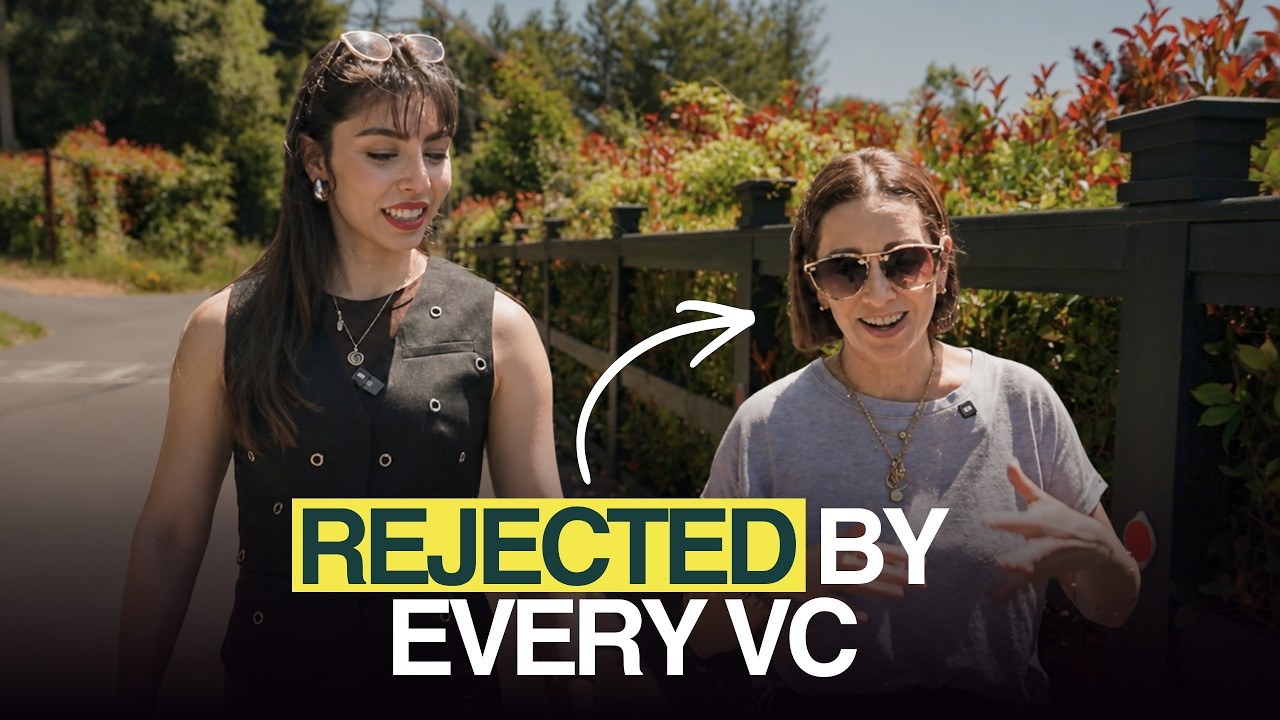
From Being Rejected by Every VC to Starting Her Own Fund - Leah Solivan (Founder of TaskRabbit)
In this episode
I got to walk with Leah Solivan, founder of TaskRabbit and now Managing Director of Precedent VC, through her journey from IBM engineer to startup founder to venture capitalist. We got into the early days of building TaskRabbit, the decision to sell the company to IKEA, and her transition into investing. Leah also shared her philosophy on evaluating founders, the AI-powered deal scoring tool she built, and the story behind her upcoming book, Breaking Precedent
Chapters
- Trailer
- Intro
- Ballet background and SF Ballet board
- TaskRabbit's origin story
- Move to the Bay Area
- Selling TaskRabbit to IKEA
- Letting go of founder identity
- Launching Precedent VC
- AI-powered deal scoring system
- Investing philosophy and founder fit
- Founder green and red flags
- Why she wrote Breaking Precedent
- Parenting and work-life balance
- Defining success
- Outro
About the guest
Full transcript
LubaThank you so much for taking the time. It's so nice to meet you in person.
LeahI'm so excited to chat.
LubaYeah, so many things to talk about and to cover. Yes, I definitely want to touch upon your journey with TaskRabbit. I think that's an expected topic. Journey to becoming a VC, your own fund, the book. But I actually wanted to start with your passion for dance.
LeahOkay, tell me more. Are you also a dancer? You look like a dancer.
LubaI am not a dancer. But thank you for the compliment. Yeah, I actually sing opera, so I have my own, like, classical passion. But I know you're really into ballet.
LeahYes, I am. Yeah. I grew up dancing. I started when I was five years old, and I always loved all sorts of dance. But I really loved ballet and I danced all through high school. I danced through college. I graduated with a degree in math and computer science with a minor in dance. And then even, you know, when I got my first job, I was a programmer at IBM, and nights and weekends I would still dance in Boston.
LubaAnd it was ballet or what type of dancing?
LeahAt that point it was more like modern contemporary. Yeah, exactly. But I've always...
LubaConsidered to do dance full time before you went to college?
LeahI mean, I don't think I was ever good enough.
LubaGot it.
LeahThat's fair. You know, to really, really make it my profession. But I always loved it deeply. And so now I'm on the board of the San Francisco Ballet, which is literally one of my greatest passions and privileges. And the company is incredible. The leadership is amazing.
LubaSo, yeah, it's amazing to see your stories from the ballet because you post. You go to the ballet a lot?
LeahAll the time.
LubaHow often do you get to go?
LeahWell, you know, it's funny because the San Francisco season is very compressed. It's basically...
LubaWhat does that mean?
LeahWell, it starts in December with The Nutcracker, and then the actual season launches in January and they do six programs. So it basically runs through May. So January to May, you're seeing six different programs. And you know, if you are a subscriber and have season tickets, that means like you're basically going every two weeks to see all the programs.
LubaAnd that's often twice, or twice a month.
LeahYeah. Yeah, I love it. It's my favorite time of year. Ballet season is the best season.
LubaThat's amazing. And so now you're on the board of the ballet as well. How long have you been on the board?
LeahI've been on the board for... here comes the car. Just a few years now. I think this is my third year.
LubaAnd I heard that there is a new director.
LeahThere is. And she is phenomenal. She's absolutely incredible. So she is... We'll let them pass.
LubaWe can also stand and talk too.
LeahYeah, yeah. So, yes, there's a new director of the ballet, artistic director. Her name is Tamara Rojo, and she grew up in Spain and Canada and was the artistic director of the ballet in England as well, where she was a principal dancer. And so we recruited her really hard here in San Francisco.
LubaSo the board really helped with the recruitment.
LeahYes. And brought her over. And she just completed now her third season as well. So I kind of joined at the same time that she joined. And she's absolutely incredible. She is the first female artistic director that the company has ever had in its almost 100-year history.
LubaWow.
LeahAnd the last artistic director was there for over 30 years. And so it was a really big deal.
LubaYes.
LeahTo get her, bring her. And she's really transforming the company and the ballet, I think, for a new audience, which is really exciting to see.
LubaThat's awesome. And what I also love: it seems like you have your crew for life. For multiple years, the people you usually go to see ballet with and travel with. Yeah. Tell me more about the friendships that you've built up over the years. Being a founder, being an investor. Yeah, who are the people that you've really been...
LeahYeah. I mean, I think I've gotten really involved in an organization called YPO, Young Presidents' Organization. So I joined YPO in 2012, maybe. So it's been, I mean, that's quite a while, like 14 years. I joined when I was running TaskRabbit and it's all presidents, CEOs of organizations, you know, that are big enough to qualify. I had a real estate blog, I had friends.
LubaWhat type of real estate?
LeahLike kind of, it was like finding homes online. Okay. I mean, this was like, you know, there was Trulia at that point and Zillow. And so, like tapping into those kind of markets. I still think there's an opportunity to create, you know, a company around real estate where instead of just being able to search the inventory that's on the market in that moment, being able to, like, find your dream home and, like, track it and maybe indicate interest, even if the owners are there, you know, so it's kind of along those lines.
But when I had the idea for TaskRabbit, it was like this magic moment of inspiration. And, you know, everyone I talked to about the idea was like, this must exist.
LubaThat's amazing.
LeahThis must exist somewhere, right? And I was like, no, actually it doesn't. I mean, there have been different iterations of it over the years.
LubaAnd did you kind of feel it in your body that, hey, this is the idea?
LeahYeah.
LubaHow did that excitement show up differently than other ideas that you were playing around with?
LeahYeah, I mean, I think it was just I would talk to anyone who would listen to me about the idea, and the feedback I would get was always so positive and so excited, and I'm the type of person that kind of matches people's energy, like whatever energy is thrown at me, I throw back.
LubaFed by...
LeahOld friends. I was like, oh my God, this is amazing. So that's really kind of what gave me the confidence in the early days.
LubaAnd so then did you do it as a side project with IBM or did you quit your job pretty immediately?
LeahYou know, pretty early on I quit my job, and that wasn't an easy decision. But I had met a man by the name of Scott Griffith, who at the time was the CEO of Zipcar, and I didn't know Scott in advance. We kind of got connected through a friend of a friend, but Zipcar was incredibly successful at the time, still to this day. And I went by his office and Scott was like, wow, I really think you're onto something. I think you should kind of see how far you can take it.
And I kind of took it as a challenge when he said that to me. That was probably four months after I had the idea, and that's really when I decided to quit IBM and work on it full time.
LubaThat's really incredible that you did get so much positive feedback, because I feel like right now when founders go through an idea maze, it really feels like everything was done. And it's so hard to think of a novel idea that you would get so much excitement about.
LeahYeah.
LubaI want to bookmark this topic of how you evaluate founders now on the other side and how people can reach conviction. But coming back to TaskRabbit. So what are some stories of the early days that you look at fondly?
LeahYeah, I mean, besides running people's errands myself. I really did enjoy that. Yeah, it was fun.
LubaWhat was your most hated errand that people asked you to do?
LeahOh, the most hated errand. Oh, God. I can't even remember anything that was that terrible that I did. Okay. Yeah.
LubaNo, really. Roll up your sleeves. Do everything.
LeahYeah. I mean, I wasn't the best at assembling IKEA furniture. Maybe that would have been my most hated errand at the time. But thank God other people have become experts in doing that. And what else? Let's see, in the early days. You know, I picked the first 30 Taskers to start the site by posting an ad on Craigslist in Boston.
LubaIn Boston.
LeahYes. And then I met them for coffee, you know, and did like an interview of them in person. And then kind of my litmus test was, would I be comfortable inviting this person into my grandmother's house?
LubaOh, your grandmother's.
LeahYeah. Because I was like, think about, like, grandma. And she's, like, a little more vulnerable maybe than me. And, like, do I trust them? And so that's how I picked the first 30 Taskers to start the site.
LubaGot it. That's awesome. And tell me more about hiring in those early days, because you come out of, you know, being an engineer for many, many years at IBM. Hiring across all founders, including myself, I was a former founder, is really, really tough. Was it hard for you to get your first few employees?
LeahYeah, I mean, hiring didn't really kick in until I raised the seed round of funding. So I kind of bootstrapped the company for the first 18 months or so, which...
LubaMeant it was just you, the first 18 months.
LeahYeah.
LubaWith no AI tools.
LeahNo, no AI agents running.
LubaYou were the OG one person.
LeahYeah. One-person show. So it took about 18 months to get that first round of funding raised. I mean, I had a little bit of angel funding come in, but it wasn't enough to hire anyone. I mean, I had, like, interns or part-time people here and there. I also had this huge community of Taskers that I, you know, was working closely with, and they were incredibly helpful. I remember, like, I would hire them to, like, go out into a neighborhood and, like, put little Post-its on doors or cars or whatever it was. So those were the early days...
LubaOf...
LeahMarketing. Yeah. I mean, after I raised the seed round of funding from Ann at Floodgate, the first hire I made was an engineer, and he was a friend that worked with me at IBM. So he came on board. He took over all of the engineering from me, and then I was able to focus more on the business side.
LubaThat's awesome. And at which point did you decide to move to the Bay Area and why? Why was that the move?
LeahSo I love Boston, I love living in Boston, but I pitched every VC in Boston in 2008 and no one was interested. And no one even understood really what I was doing.
LubaWas it because of the financial crisis? Was it before or after?
LeahIt was during the financial crisis. So I don't think that helped for sure. And then I think, you know, consumer app, consumer internet in Boston was not, like, something that a lot of people were investing in. It was more biotech, it was more financial focused. And, you know, even Facebook, like famously, or like Mark Zuckerberg, like, had just left Boston, right?
So I pitched VCs in Boston. I did get some angel investors in Boston, but it was really Ann out here in the Bay Area at Floodgate that led that first round of funding. And then I decided I wanted to move out here to be closer to Ann and her team, and then also continue to scale the business, open this market as the second market. It made a lot of sense. And then my friend Brian, the engineer that I brought on, was willing to move. And so the two of us moved across the country and, you know, made the Bay Area home. Yeah.
LubaAnd what do you think Ann saw in you and the company, that she was the investor who did take the bet, even though there were a lot of no's?
LeahRight. Well, she's, I mean, she's absolutely incredible and I always joke, but I'm not joking, that I just want to be her when I grow up.
LubaWow.
LeahShe's such a badass. And, you know, we met over breakfast at the Palo Alto Creamery, and it's like this cute little diner. At the time, I think it was in Stanford Shopping Center. Or maybe... yeah, I think it was at Stanford still at the time. And so we met there and we just really hit it off. Like, again, I matched people's energy. I love Ann's energy. She was really intense. She was really interested, really engaged. She asked good questions.
LubaAnd at the time, did she just start Floodgate or had it been a couple of years?
LeahNo, she was just starting at Floodgate and I was actually the first company she invested in.
LubaOh, wow. That's incredible.
LeahYes.
LubaSo you guys are friends to this day?
LeahWe are very good friends to this day.
LubaAnd she goes to the ballet too, right?
LeahI've dragged her to the ballet with me too. Yeah.
LubaOkay. So she's really intense. She asks a lot of good questions.
LeahYeah. Yeah. We just hit it off. I was like, she's smart, I like her. I will work well with her, you know? And I think we both felt that same way. So funny enough, I was hosting a lunch just this week for Eric Ries's new book.
LubaOh, yeah. I actually did an interview with him. It's about to come out next week. I did a short form, which I kind of regret. I wish I sat down with him for a long, long form because I think he really warrants it.
LeahYes.
LubaHe has so many brilliant...
LeahHe's got incredible things to say.
LubaYeah, yeah. *Incorruptible*. And I actually read the book too, prior to the interview.
LeahYeah. He's amazing. And so I hosted a lunch for him and his book last week, and he was the one that introduced us back when she first invested in TaskRabbit, because she was trying to impress me. She was like, I don't know, you guys... She's like, I know the Lean Startup guy. You want me to, you know? She's like, you want me involved? You know, and I was impressed with her. I was impressed with Eric. And that was awesome. Let's do it.
LubaThat's amazing. I read somewhere that in your round, like, Tim Ferriss was also part of the round. Was he part of the round?
LeahYes. So Tim has been a longtime advisor to TaskRabbit, and we met because he was doing a visit to the incubator program I was participating in in the summer of 2009, that Facebook ran. It was called the fbFund.
LubaCool.
LeahIn that cohort, it was John and Logan that had started Zimride.
LubaOkay. Which is Lyft?
LeahYeah. It was Victoria Ransom, who started Wildfire. She sold it to Google for, like, $250 million. Leila Janah, who has since passed, had an incredible company, has an incredible company called Samasource. So that cohort of entrepreneurs was just absolutely amazing.
LubaI feel like that was just generally such a special time in the Valley, between the VC cohort and the program that you were in. Everyone really did something incredible.
LeahYeah. It was an incredible time. And so Tim came for a visit to the Facebook office on Hamilton Ave. That's where we were working out of at the time in Palo Alto. And he offered 15-minute slots, and you had to sign up for a slot. There wasn't enough time for everyone.
LubaAnd at this point, he already had the blog and he wrote *The 4-Hour Workweek*.
LeahHe had written *The 4-Hour Workweek*, which I had already read, and I was like, wow, if I could pick any advisor on the planet right now, it would be Tim Ferriss, *4-Hour Workweek*. Outsourcing your life, you know, finding people to help you. I was like, this would be perfect. And so he was coming by the Facebook office. I signed up for a 15-minute slot with him. And, you know, 15 minutes is not enough time to, like, really pitch someone to be an advisor. And so my only goal was to get a second meeting.
And so I, you know, walked in and I'm watching the clock and the clock's ticking away. It's like minute 12, 13, 14. Like, he's giving me feedback on the website. I'm like, this is all great. I was like, do you think we could spend more time together? You know, I'm loving this feedback. And he kind of hesitated. He was like, I don't know. It's just like, I don't know if I want to do this. But he's like, why don't you reach out to my admin? I was like, great, done. And so he gave me her email address. So I emailed her, like, immediately. And then she was like, yeah, Tim's available for a call, you know, like next week.
LubaLike a call?
LeahYeah. I just met him in person. I'm not gonna cut it. I was like, you know, I'm gonna be here in town. I was supposed to be in Boston. I was like, I will be here. Just, like, name a place, name a time. And so we ended up having lunch that next week, and he and I really hit it off, and he's just absolutely amazing. He's been so supportive throughout the whole journey and it's been really fun to have him involved.
LubaThat's awesome. Yeah. So I know, from what I've heard about his investing philosophy in those early days, is that he really wanted to be incredibly valuable to all the companies that he would support before he started full-on being an investor, outside of all the other great things that he's doing. How did that show up? Like, what did he do for TaskRabbit in the early days?
LeahSo, yeah. So Tim, I think he wanted to really... I remember that lunch because he was asking a lot of questions just about, like, where did I need help? What would I do, you know, with, like, a 50K angel investment? Like, where would I put the money? It was very detailed. And so I agree, like, he really was thoughtful about how he would get involved and how he could be helpful. I mean, he at the time, you know, and he has an even bigger audience now, but he had a huge audience...
LubaAlready.
LeahAlready. Totally focused around life hacking, right? You know, outsourcing. And so, you know, he was able to come into the office, spend time with the team. We would brainstorm product design, user experience ideas. Pricing. Yeah. He would weigh in on a lot of things.
LubaBefore we move on from TaskRabbit, I want to hear about how you had so much conviction to go from auction to fixed pricing.
LeahYes, yes. So that was an interesting story, because when I founded the company, the best-in-practice model was eBay.
LubaYeah, right.
LeaheBay auction as a marketplace. Okay. So eBay was, like, the best in class, right? Marketplace auction model. And so that's where we started on the web. But then very quickly, I would say within, I don't know, four years or so, you know, Twitter emerged, this notion of things being on demand, instant feedback for the consumer, really shifted people's expectations. And all of a sudden, you know, the mobile device that I got excited about in 2008, 2009 was being used for, like, instant bookings.
And so I knew we had to shift the system into a booking platform. But at that point it was a really, really heavy lift. We had over a million clients. We had 60,000 Taskers that had been trained on an auction bidding model.
LubaWow.
LeahWe were open in 44 markets in the US. Like, this was not...
LubaAn easy decision. Like, oh, tomorrow we're gonna flip.
LeahNo. But what made us have conviction around the idea? And this was really... I talked to Eric Ries about this too, recently. It was like, this is what really saved the company. It was doing a small MVP test in the London market, and we hadn't opened in London before, but we basically opened a new market where no one had heard of us before with a brand new product that was mobile first, mobile only, straight instant booking platform, and we immediately saw that it was working better.
You know, we saw all kind of the key metrics, you know, double if not triple. Cohort usage went up. And so we were like, okay, this is better. Now the hard part is how do you roll this back to the US market, to all of these customers?
LubaAnd how did you guys do that?
LeahI mean, that was really hard. So we did it. I mean, we literally took two Taskers from the London office that had been trained on the new system, and we brought them to the US for a road show of training around the US, and we brought them to different cities in the US and had them train, you know, the experienced Taskers away from the auction bidding platform and into the booking, because now they had to learn how to set their own pricing, set their hourly rates, put themselves online, offline, on duty, off duty, all these things. So we did that. We, you know, then had to migrate over huge databases of information without losing...
LubaAny of the data.
LeahAny of the data. That migration was very risky and very stressful, but we did it, like, you know, overnight, two in the morning. And then, you know, you wake up the next morning and it's a completely new system for people to use. So it wasn't without its bumps in the road, for sure. There was a lot of friction at first. There is this famous TechCrunch article of the TaskRabbit logo on fire.
LubaOh no.
LeahWhen we first launched it back in the US, and I remember our head of marketing was so upset and I was kind of like, listen. Like, it'll blow over. Like, we know this is right. It's going to be fine. She was so mad. She was so angry. She, you know, calls up the contact at TechCrunch. She's like, you got to take this down. You know, this is, like, defamation, whatever. Should we refresh the screen? They've made it bigger.
LubaOh my God. I know, that's ridiculous.
LeahI know, it's so funny. It still makes me laugh, actually.
LubaSo it sounded like you were pretty chill.
LeahI mean, it was stressful. It was totally stressful. But, you know, like, I had the perspective and the conviction that this was the right move.
LubaEven after the Taskers kind of revolted.
LeahYeah, it was like, whatever it takes, because London was doing so well. Yeah. And we knew we just kind of had to turn over some of the people.
LubaYeah. How did you like running the company? Did you love it for most of it or were there...
LeahI did. You know, it was like a different season, different time in my life. It was an incredible experience, incredible journey.
LubaHow would you describe that season in comparison to...
LeahWell, I had no kids. Now I have four.
LubaYeah.
LeahSo, you know, there's just a lot more to juggle in mine.
LubaYou started having kids while you were still running TaskRabbit?
LeahYeah. When we opened the London market, I was pregnant with my first. Yeah. And then when we sold the company to IKEA, I was pregnant with my second.
LubaWow.
LeahSo, yeah, it was just kind of a different point, different moment in time. I was 28 years old when I started the company. It's almost 20 years later now. I mean, it's crazy. So, you know, my ability... I didn't have, like, anything to lose when I was 28, you know, and I was able to take those risks, and I'm glad that I did. And like I said, it was an incredible journey.
LubaYeah. That's amazing. Who were the founders that you really looked up to then, that you were trying to model after?
LeahYeah. I mean, like, as I said, I had this amazing cohort of friends and founders who were also in the Facebook Fund. And then when I moved to San Francisco, instead of getting our own office space, we had this shared co-working environment called Dogpatch Labs. It was on a pier, I think it was Pier 33 or 28. I can't remember the number, but that entire pier actually has since been shut down for safety reasons. Like, it was like this very old setup and it was like rickety floors, like, out on the pier. But in that building it was Kevin and Mike from Instagram.
LubaNice.
LeahIt was Steve Jang. I mean, it was like the people in that room too were amazing. And so, I don't know, I feel like every generation of founders, it seems like, kind of starts together in these cohorts. I had an amazing cohort. The cohort a little bit before me was like Kevin Rose, Daniel Burka, you know, Tim. I really looked up to them and got to know them over the years, but they were like the model, when I was living in Boston, you know, and I thought about, like, oh, who are the great entrepreneurs in Silicon Valley? Like, those were the people. You know, it was like Reid Hoffman starting LinkedIn.
LubaYeah.
LeahYou know, there was another company at the time I really loved called Six Apart. And so it's just like, you know, it was just an incredible cohort of innovation and minds. And it was very cool to be a part of.
LubaYeah. So where do you think pockets like that are right now?
LeahYeah. I mean, there's so much happening, you know, with AI, obviously. But you know, what I think is pretty interesting is when I founded TaskRabbit in 2008, we were at this technology inflection point with mobile devices. The iPhone had just come out. Social, location and mobile were new. They were new technologies that developers were able to leverage. And I see a similar opportunity today with what's happening in AI. It's like everyone is tapping into the possibilities here. And, you know, the founders I'm meeting that are creating in the space are doing some really cool, interesting things. And it does feel like they're of this, like, next generation, this next cohort.
LubaWhich is awesome.
LeahYeah.
LubaWhat did you think you would do when you were growing up? Did you ever think that you would be a founder at some chapter of your life?
LeahI didn't. What did I think? I basically wished I was good enough to be a ballet dancer. And then after that, maybe I wanted to be, like, a computer programmer. I mean, I really loved studying math and computer science in school, and so getting a job, actually, coming right out of school as a programmer was like a dream.
LubaYeah.
LeahAnd particularly in 2001.
LubaSo that was on the cusp of the dot-com...
LeahIt was at the height... it had... the bubble had burst.
LubaWere you worried or were you convinced that this was still good to do?
LeahWell, I was convinced it was good to do, but I wasn't really exposed to a lot of the startups because I wasn't in Silicon Valley. You know, I was living in Boston at the time, so things in Boston were, you know, if you weren't in the startup scene, you were working for IBM. Like, things were pretty stable. Yeah, yeah, yeah. So I felt very lucky to kind of land that opportunity when I did. But yeah. Yeah.
LubaAnd then I'm interested in this topic of identity and life's work. When you were running TaskRabbit, did you think it was your life's work?
LeahOh, yeah. I mean, I had a lot of trouble when I sold TaskRabbit, separating my identity from the company. It took years.
LubaTell me a bit more about that decision to sell. Like, how did you come to the decision? Also, I think it's interesting that you decided to take a step back as CEO first, because in my view, there is a lot of ego attached to being a CEO and running the company. So it takes a certain type of person, or maybe a certain chapter of life, to be honest with: are you liking it? Are you the best person for the job? That you actually decided to do that.
LeahYeah, yeah. I mean, I am very low ego, so I always thought about what is best for the company, and I feel like, you know, the company was really my first baby, right? And so I just wanted to do everything I could to make sure that the company succeeded. And then you take on investor money, and then you have this obligation to your investors, right, to make money for them. And then you hire all these employees and you have an obligation to them, you know. So it's like the pressure kept adding up, adding up, adding up.
And so I enjoyed it for a long time. But I think in the end, you know, it had been almost ten years. I was definitely burnt out from all the fundraising. And for me, managing people, I would say, was the hardest thing for me. It took a lot of energy. Like, I don't know if you'll believe this, but I am an introvert. I really am. Hard to believe. I promise you, I'm an introvert. I, like, fake myself as an extrovert, but it's really draining.
LubaYou know, I've started to conclude that I'm a lot more introverted than I thought I was, because for the Bay Area, I'm, like, definitely an extrovert. And then I moved to New York and I'm like, actually, I think I'm really introverted. And I grew up being left to my own devices very, very often. I actually love being on my own.
LeahYeah.
LubaAnd maybe... yeah. And then it depends on the type of person I'm spending time with, whether it's draining or energizing.
LeahYeah, absolutely. So as the company scaled and grew and we hired more and more people, I found that people management piece to be really draining and really hard for me. And that's kind of why I, you know, decided that it was time to sell the company, for one. But two, I knew I didn't want to go back and start another company, because basically you start a company and you're successful, that means that the company scaled, you hire all these people. It was like, oh my God, I don't want to do all that again.
But at the time we were live across US cities, like 44 markets. We were live in London. We had this partnership with IKEA going, and it was going very well. And then, what happened? Yes. So then we were thinking, okay, we should roll out to more international cities. And we really saw international markets as the growth engine from there. It wasn't going to be opening Cincinnati, Ohio. It was going to be opening, like, Berlin, Germany, right? And so we started raising a growth round to do that.
We talked to IKEA about it to see if maybe they would want to do a strategic investment. But once they realized that we were raising money to open more cities, they were kind of like, oh, maybe we want to own this. And so at that point, we hired bankers. We ran a whole process. We ended up with three term sheets in the end. But I was always really excited about IKEA. And mostly because, you know, we had spent time with the team there. I knew that we had shared values, a shared mission. They are family owned. They're still a private company, you know, out of Sweden.
And so it's been really, really nice for TaskRabbit to kind of fit into that framework. And, you know, IKEA has now invested more money into TaskRabbit than I ever raised.
LubaOh, wow.
LeahOn its own. And, you know, they've now opened up all these international markets and cities. I don't even know how many, like, yeah, 50, 100, whatever it is. But we never would have been able to do that without a strategic partner.
LubaAnd you're happy to see the second chapter for TaskRabbit, like the way it's gone? Because I think you were kind of in touch, friends with the CEO of the company.
LeahYes. So TaskRabbit has had three CEOs: myself, Stacy...
LubaAnd then...
LeahAnd then Ania. So three female...
LubaI overlapped with her at Airbnb.
LeahReally? Oh, yes. She's so lovely. She came to my Eric Ries lunch.
LubaOh.
LeahYeah. So she's also come with me to the ballet.
LubaVery cool. One of...
LeahThe crew. She's one of the crew. But I didn't actually know her until she got the CEO job at TaskRabbit. And then I actually didn't get a chance to meet her for years. I mean, she's been running the company now, I think, for five years. But she's also in YPO, and we actually met in YPO first.
LubaOh, awesome.
LeahAnd she's in a different chapter. And so I got to know her through YPO. And then we became friends. And she more recently invited me by the TaskRabbit office, the new one that they've set up in San Francisco. And that was so much fun. It was so cool to see how they've built and scaled beyond me, you know, into a new chapter. And yeah.
LubaI think it's really rare when a founder has a lot of great things to say about a company's second chapter.
LeahYes.
LubaBut let's move on from TaskRabbit. Tell me more about that identity piece. So you obviously were running the company for a long time. You inevitably get attached to what you're doing as a founder. That's your baby. That's you. How did you deal with that?
LeahYeah. So when we sold the company, I immediately kind of got pulled in the direction of investing by a lot of different people and firms over the years. And as we've mentioned, you know, Ann is a very good friend of mine, and other folks in the industry that I got to know. And, you know, I just sort of realized that with my background in technology and engineering, I didn't want to put my head down in one company, in one business, again for a decade and kind of miss out on all the new technologies and innovations that were happening. And investing is such a great way, for sure, to stay current. Stay on top of...
LubaThat. You also don't have to build out a massive team that you have to manage.
LeahExactly, exactly. Ding ding ding. Exactly. So it's been awesome. At the time, I decided to join Fuel Capital.
LubaYou decided to join them.
LeahSo it's a, you know, early-stage seed fund. And I joined alongside the founder, Chris Howard, who had started the firm, started the fund. I joined at the beginning of the second fund. We raised the third fund together, and I really joined so I could help him build and scale it. And I still felt like a founder, or like an entrepreneur, and wanted to continue to build. So it was a great opportunity to learn, you know, how to build a seed firm, how to manage a portfolio, how to bring on LPs. I mean, it was tons and tons of learning. And so, you know, I've been at Fuel, I've remained at Fuel. I've been there now nine years and...
LubaAs long as...
LeahI know. It's kind of crazy. And so I actually, like, for a long time I was like, wow, how can I do anything after TaskRabbit? It is so attached to my identity. You know, when people meet me, they're like, oh, you know, they want to talk about TaskRabbit. But now...
LubaAre you tired of it?
LeahNo, no, not at all. But I think what I realize is that the experience with TaskRabbit has now given me the credibility and experience to be a good investor and to work with incredible founders. And so, you know, now I realize that that experience has really kind of built me up into the investor I am today. And so I love being on the investing side.
And more recently, I've decided to spin out my own fund. Right. And the new fund is called Precedent VC. And it's really focused on investing in this next generation of category-defining, precedent-setting companies that are building for the consumer.
LubaSpecifically consumer?
LeahWell, consumer has been so out of favor in venture for years, and I really think this is a massive turning point because of the technology that's emerged. You know, it's like 60% of Americans have used AI in the last six months. If you look at the millennial generation, you know, we're all parents, and it's like 85% of us are using AI on a daily basis to manage our lives. And so it's just, like, a huge behavioral inflection point. And so that's why I want to focus there. Because this next generation of iconic companies, you know, they're not just going to follow the precedent that's been set. They're going to set new ones.
LubaRight. Yeah. Are there any specific consumer categories you're particularly excited about?
LeahI'm seeing a lot of really interesting consumer companies pop up in the digital health, health care space. There's so much data there that is fragmented, unstructured, hasn't been tapped into. So there's a lot of opportunity there. I'm seeing a lot of interesting companies in financial tech as well, for consumers, direct to consumer as well. You know, obviously some interesting things in creator economy and design and, yeah, there's just so much. So it really is an exciting time to be focused on consumer.
When I talk to people about, you know, where I'm investing now, instead of being like, oh, I don't touch consumer... Oh, we never say that. I never said that. No, I've always loved consumer, and I've done consumer deals even at Fuel. But other investors I would talk to would be like, yeah, we don't do consumer, we don't touch consumer. Or even LPs: no, we don't like consumer. But now people are like, yeah, consumer's coming back. I think people realize it's coming back and it's coming back in a big way.
LubaYeah, definitely, because of AI. And we're seeing ChatGPT as a consumer product and so many other psychotherapy use cases, et cetera. I definitely agree that consumer is exciting. I was building in consumer, and I think it was still not exactly the time to be building consumer. It's really hard, but I hope that there's going to be a lot of new companies. Yeah. How did you learn? Like, do you think you've gotten good as a VC? What's that arc been?
LeahWell, so I think a couple of things. The job of the VC, right, is to source, pick, win and help. Like, that's the job. And I've got great deal flow.
LubaHow do you get your deal flow?
LeahMany years now. Like, yeah, it's like years and years and years. I see about 300 deals a quarter, about 12...
Luba300 deals a quarter.
LeahYes.
LubaWow. Do you review every single one of them?
LeahI utilize AI to review every single one of them.
LubaWhat's your AI workflow to do that?
LeahSo I basically built out this AI copilot, and I've actually made the entire framework public so anyone can use it.
LubaOh, cool. Claude?
LeahIt's ChatGPT. It's a GPT-based framework, LLM. And basically my workflow was, I get mostly email pitches coming in. They can be cold emails, they can be part of YPO communities. They can be part of other pockets of communities. They can be from co-investors, whatever it is. Email pitches come in and I now centralize them and target them all to the same place, same email address. And then I basically have an agent running on that inbox that triages, categorizes and scores every single deal on a scale of 0 to 5. If anything scores above a 4.0...
LubaWhat are the inputs? What is the framework that you're using for scoring founders?
LeahYou know, market size, competitive landscape, revenue. Like, just the basic, basic framework to kind of triage category, right? Because I have a specific focus and thesis. And so if anything scores above a 4.0, I will immediately get an email, an alert saying, like, hey, you need to look at this. So that helps manage and triage a lot of the deal flow. And so I've made that framework public. It's online at DealScore AI, so anyone can dump in a deal or a pitch they're looking at, or they can just forward it to deals@dealscoreai.xyz.
LubaThat's awesome.
LeahAnd it basically summarizes, makes everything consistent, sends you back a score.
LubaThat's awesome.
LeahYeah, I love it. And I like it. For me it was just kind of, like, survival, to, like, move through the triage of things. But what I realized by utilizing this whole system is that it does remove a lot of bias in the system, because I'm not, with my human eyes, looking at every single initial first touchpoint of a deal, but I'm making every single deal look consistent. Kind of like the blind resume test. It's like, here's a consistent summary of the deal. Here's a score. And then I look at it. And so it kind of takes away and removes any biases that might be there with the human eye. So I think it could be really powerful. And I'm continuing to play with it and improve it.
LubaThat's awesome. Are you worried that people might be gaming the system? They go to DealScore AI, they see how their company is going to get scored.
LeahI hope they do. They should. Founders should use it. They see how the AI is scoring their deal.
LubaAnd then they adjust their model 30%.
LeahWell, no, they can't put the TAM in. Like, the AI decides what the TAM is. Yeah. No, no, I think it's actually a great tool for founders to utilize to improve their pitches. Feed your pitch deck in there and let the LLM decide, you know, what it pulls out.
LubaTell me a bit more about your investing philosophy. What type of investor are you? Say you meet a founder. What are you looking for?
LeahSo because I am typically the first check in, I'm investing at the earliest stages. It really comes down to founder-market fit. Meaning, is this founder built for this particular opportunity? And is the opportunity big enough? Is the market big enough? And you know, with the lens with Precedent VC that I'm looking at, I'm looking for these precedent-setting companies. So it can't just be a product or service. It's got to be really something that I feel like changes and improves the consumer experience moving forward.
LubaDo you think if you were the VC sitting across the table from you when you were raising, do you think you were founder-market fit?
LeahI think that I was so aggressively passionate about what I was building and saw such a clear... like, I had such a clear vision for what it could be, that yes, that made me fit the market. But, like, I didn't come from the labor industry. I didn't, you know, I didn't come from a place where I was managing a lot of hourly workers. But I think actually that's what kind of gave me the opportunity and edge. So it's not that you need to be an expert in the industry or field. And I think many times not being an expert and looking at something with...
LubaYeah. Fresh eyes.
LeahLike, you know, and you aren't inhibited by the precedents that have already been set there. So that's what I look for in founders. It's like, are they passionate enough? Do they have a very clear vision of what this could be? And do I really believe that, you know, if they hit a wall, they're not just going to go around it? They're going to figure out a way to, like, break down the wall.
LubaHow much is it intuition and how much is it these frameworks and more analytical ways of evaluating a founder?
LeahI mean, it's a little bit of both, but what I like to do is I want to hear stories from that founder's life, from their life journey. It's like, where did you grow up? Like, tell me about that. Tell me about where you studied in school. Why did you choose that school? What was it like there? And I want to hear, you know, stories of adversity, stories of pivoting, stories of courage. Like, what are the little signals and tidbits that their life has prepared them to be an entrepreneur, in the way that they're going to be resilient enough to take it all the way?
LubaYeah, resilience is such a hard piece of the equation. I want to come back to that piece about identity. So you sold a company. Obviously you transitioned into VC, but what was it really like to let go of the identity of the founder?
LeahWell, it wasn't so hard to let go of the identity of the founder. For me, it was more about, like, I'm no longer running TaskRabbit and now I'm investing in all these companies. But I haven't built a track record yet. I haven't been an investor very long, so I don't have the credibility. So that, I think, was the hard part. It took time to feel confident and comfortable and credible in that investor seat since, you know, I was just getting started there. I had only done angel deals on my own prior to joining the fund.
LubaWhat was it like to have such a slow feedback loop? Because obviously as a founder, you test things out and you get feedback very quickly. You iterate, you have speed. As an investor, you kind of have to see it through for a decade to see if your decision was correct or not.
LeahYeah, no, it's true. And that is the hard thing about being on the investor side, is you don't get feedback very often and so you're not really sure. But I think what I fall back on is, because I've been in a founder's shoes before, I have a lot of empathy for what they're doing and what they're building. So instead of worrying about me and, like, am I good enough? And did I make the right decision? I'll just, like, focus on that. Like, how can I be helpful? How can I help you succeed? What are you trying to build? What is my point of view on that? You know, so that's kind of been the lens with which I've looked at this investing career.
LubaYeah, I think this is just generally a good philosophy for life. Being externally focused versus being overly internally focused. Like, there is a piece for, you know, thinking about yourself and figuring out your patterns and reflecting. But if you're just focused on yourself, then you're just not going to produce any value in the world, and you're not going to be as successful, because the world is more about helping other people and focusing on them.
LeahYeah.
LubaWho was the founder or the company that you're particularly proud of helping, investing in?
LeahI mean, there's so many of them. You know, one of the very first deals I did, actually, even before I joined Fuel, as an angel investor, is in a company called Nanit, which has done amazingly well. And I, you know, joined really early as an angel investor because I was pregnant with my second baby. And I was like, there's got to be a better baby monitor out there, and there's got to be a computer vision version of this instead of this analog version. And so I went out and I looked for it, and I found Assaf, the founder, and he's Israeli, but he was living in New York City. And I reached out to him. And I loved his vision and I loved what he was building. And so I...
LubaJust... that it was a man building that company.
LeahYeah, yeah. He's got a lot of kids, too. So that was a really exciting kind of first company. You know, since then, a few other companies I'm really proud of. One is a company called MiSalud Health. So, as you know, my father's Puerto Rican. I'm a Latina, and this company has built a telehealth platform for native Spanish speakers to get medical advice, medical care, and they go in through employers. And so I've really been able to help that team, work with that team, get connected to huge employers that are, you know, employing masses of native Spanish speakers, and making a huge difference for these people. So that one's really exciting.
Yeah. And then more recently, let's see, I've done a company called Pacaso, which is in the proptech space. And they do access to the second home market. And Austin Allison and I met through YPO.
LubaOh, awesome.
LeahAnd got to know him and the team there. So, yeah, it's been really fun.
LubaHow do you value co-founder relationships and teams?
LeahYou know, as a solo founder myself, who tried to have co-founders, by the way...
LubaOh, you did?
LeahYeah, I tried many times and failed. So originally, I was living in Boston and this woman was going to quit her job at Deloitte and help me, and she happened to be the wife of one of the investors I was pitching at the time. And so she helped with all of the early financial modeling for TaskRabbit. But when we didn't raise the big round of funding, we only raised the tiny angel round of funding, she kind of dropped out and she was like, I can't leave my job. So that was the first kind of co-founder fail.
And then the second one was after I was launched in Boston, I had the angel round completed and I brought in, you know, kind of the first ops person. And he was, you know, first year after his MBA from Harvard. You know, smart, smart guy, but, like, just not a fit for startups and for TaskRabbit. And so, you know, that was kind of the second attempt. And then at that point, I raised the money from Ann and I was like, I guess I'm a solo founder now. Like, I have now raised millions of dollars by myself.
LubaReally hard to bring someone on.
LeahYeah. So from there I just focused on building a team.
LubaSo now coming back to you evaluating co-founder teams, are you then more prone to back solo founders or not necessarily?
LeahYeah, for me, because I've lived it as a solo founder, like, I don't have a strong preference. What I want to see, though, is that whoever the founding team is, if they're not technical, do they have a technical person? Yeah. Like, and I do think for me it was helpful because I was technical, so I could build everything that I needed to build by myself.
LubaHas that shifted, though, now with AI, where you don't have to be technical to prototype?
LeahYeah, no, 100%. I think AI has really, you know, made more accessible the opportunities to build and to code and to create without, you know, a technical co-founder, but you still will need someone to scale the business technically. So yeah, I think it's more about, like, what's the makeup of the team? What are they building? Again, that founder-market fit piece.
LubaSo talk to me more about Precedent. Why did you decide to start your own fund?
LeahYeah. So, you know, with Precedent, it was a couple of things. One is, you know, after working and investing at Fuel, I still felt this kind of deep obligation to do more. Like, I just felt like I could do more for the industry, not just invest in founders, you know, in this generalist fund. And so being able to create Precedent has really allowed me to create more of a platform around venture. And so I have the fund, I have the podcast *Breaking Precedent*, where I interview leaders across industries that are shifting society in some way. I have a book coming out under the same name next summer.
And so the idea is really to kind of rebuild this ecosystem around precedent breakers, but with a point of view about venture that, you know, it's not built for everyone right now. And, you know, I like to say venture capital is like being inside a casino. The house always wins.
LubaYeah, okay.
LeahLike, it is rigged. It is a rigged system. And right now, it just really depends on who you know. Your proximity to power. You know, what intros, what warm intros you can get. And I just kind of hate that about venture. And for me, you know, I didn't have a network or any exposure to entrepreneurship before I founded my company, but I just worked really hard and hustled and, like, built it all out. And I got really lucky, right? Like, I feel like it's such a privilege to have had the success that I've had. And I really want to bring other people along.
LubaAre most of your investments primarily warm intros or cold pitches?
LeahI'm trying to think. So the first two investments I've done in the new fund: one is in stealth mode still, but it's an AI-native app in the therapy space that came in through a co-investor that wanted me in the round. So he was leading it. He was like, Leah, we think you'd be perfect for this. We meet the founders. Great. The second one came in cold, went through my DealScore framework...
LubaAnd scored high.
LeahScored high.
LubaOkay, wow. Go DealScore framework.
LeahAnd then within six hours, I had the founder on the phone.
LubaThat's amazing.
LeahSo that's also why I'm so excited about this DealScore framework, because I'm like, it really does level the playing field. Like, if everybody used it, it would level the playing field for founders.
LubaIs this the precedent you're breaking?
LeahIt's part of it. I mean, it's part of it. It certainly is. I think some people... It's so interesting, actually. I was at a conference last week. Some people, when I say I've opened up my framework, anyone can use it, I get two camps of people.
LubaAha.
LeahThe first camp is like, oh, that's super cool. I want to try it out and, like, how are you doing it? And that's, like, great, love that person. Want to work with them. The second person, which is just really fucking annoying, can I say that?
LubaYeah. Yeah, of course.
LeahIs the investor who's like, are you just trying to steal my deal flow? I'm like, what? No, I don't need your fucking deal flow. I've got my own deal flow, buddy. And, like, I'm only investing in consumer.
LubaSo they think that you open-sourced this and it stores their data, or...
LeahThey're just, like, paranoid. They're so paranoid because...
LubaBecause deal flow is just a part of the equation.
LeahBut here's the thing. This is the crux of it in venture. People like that love a closed system.
LubaYeah.
LeahBecause they have benefited from it over their entire career. And it makes them uncomfortable that someone would open it up.
LubaYeah.
LeahIn a way that they don't control or understand.
LubaMakes sense.
LeahAnd I'm like, those are the people that need to be disrupted.
LubaYeah, yeah, yeah. That makes a lot of sense. What are some founder green flags that for other people are red flags?
LeahOh, that's such a good question. Green flags. A woman who comes in eight months pregnant pitching her fertility startup: green flag.
LubaBecause she clearly knows the problem.
LeahYes. God, I want to invest in that woman. And I did, and a lot of other people passed, and she did great.
LubaThat's amazing.
LeahYeah. What other investor green flags? I think back to the point of, like, I'm not looking for you to be an expert in the field. Green flag. Because I think as long as you have a point of view... I like people that have been trained in a lot of different areas and a lot of different things, and maybe have a framework from art, culture and dance that they want to apply to science and technology, you know. So I love that. I love hearing about that.
What else? Oh. I'd say maybe the other thing would just be around... we talked a little bit about co-founders, solo founders. Like, I'm great with solo founders. A lot of investors might be like, you need a co-founder. I get it, I've lived it as a solo founder and I'm like, green flag, more power to you. If I can really look you in the eye and trust that you're built for this company, like, I will back you.
LubaMakes sense. Yeah. What are some things that you found challenging in this chapter as an investor? What are some things you're struggling with or were struggling with?
LeahWell, let's see. One of the biggest surprises when I went from being a founder to investor, and one of the biggest learnings, is in managing a portfolio as an investor. You know, I'm really focused on, you know, how the companies in my portfolio are performing. And those could be, you know, across different industries and categories. And as I'm thinking about how to allocate my capital, you know, it's about putting more capital into the companies that are doing well.
When I was a founder, I always felt like my biggest competitors were the ones that were building in my space and competing with me. But if I now put that investor hat on, that investor lens, I realized that I was competing with other companies outside of my space...
LubaThat are doing well.
LeahFor capital.
LubaFor sure.
LeahYou know, and so I never really thought about it that way as a founder. But now I deeply understand that as an investor. And so that has been, I think, an interesting surprise and learning.
LubaWho are you looking up to outside of Ann? Because I know you're going to say...
LeahOh my God, I know. I just want to be Ann when I grow up.
LubaBut actually diving into it, what do you like about her as an investor?
LeahShe's just such a badass. No, she is. She really is. No, she's high conviction. I really appreciate that about her personality. When she believes, she believes, and she puts her money behind it, she puts her energy behind it. I think she has proven discernment. She's really been able to pick, you know, working with incredible people. So I think those are, you know, two incredible characteristics.
You know, I feel really lucky to... I think most of my best friends are investors running their own funds. And so I've been able to kind of surround myself with other women that are doing it, too. And we support each other. We swap stories, we trade notes, we do LP intros, you know, whatever it is. And so I love being a part of that community.
LubaThat's really fantastic. Yeah. Tell me about the decision of writing a book. Why a book? Why *Breaking Precedent*?
LeahYeah. So the book and the fund really first started with the podcast. So the first thing I wanted...
LubaTo start, the...
LeahPodcast. The podcast started about 18 months ago.
LubaOkay. I remember the decision to start the podcast. Why a podcast?
LeahWell, I wanted a creative project when I was on maternity leave with my now 18-month-old.
LubaYeah.
LeahAnd I was like, I just want to do something creative. And I'd been thinking about a podcast for a while. And then I had the idea for *Breaking Precedent*, and I was really interested in not just interviewing business and tech people, but really leaders across industries. So some of my favorite interviews have been with the former ballerina Tamara Rojo, who now is the artistic director of the ballet. Derrick Jones, DJ D-Nice, who, you know, during Covid, launched Club Quarantine and brought us all, you know, into his living room as he DJed. Christina Tosi, who invented Milk Bar and, you know, created all kinds of new crazy desserts.
And so I love hearing people's stories across industries. And then I think what I realized is, wow, there's really this common thread and framework behind all of these precedent breakers. And then I thought about my own story with TaskRabbit, and reflected on what we did to help shape the gig economy and change the future of work. And I realized that I had this toolkit and these frameworks and, you know, stories to tell. And so that's how the book came about. And so that's what turned into the book. I'd always toyed with writing a book.
LubaDo you really like writing?
LeahNo, but it's kind of like children. Do I like children in general? No.
LubaOkay.
LeahBut I like my own.
LubaOkay. Makes sense. I think that's gonna be me.
LeahYeah, I like my own. And I like writing my own book. Yeah. Yeah, it makes sense. So it's been an awesome experience. I've actually really enjoyed it.
LubaAnd are you writing it yourself, or do you have a ghostwriter?
LeahNo, I have someone working with me to help, like, organize.
LubaYes.
LeahAnd I have an amazing agent who's written, like, seven New York Times bestsellers. She's absolutely awesome.
LubaWell, how did you lock in such an amazing agent? Well, I guess you have an amazing background.
LeahSo, you know, I just chatted with people and got connected to her, and she's been super, super helpful and supportive. So the book has been really fun to write, and not only am I excited to tell some TaskRabbit stories that I've never shared before, ever... Some of them, when I read them back, make me cringe.
LubaDid you share any of them here?
LeahThere's all kinds of stuff.
LubaI should've done a better job asking you for more than the public stories.
LeahYeah, but, well, I will tell you, this is a little-known fact that I just put in the book. So I mentioned that John and Logan at Zimride, we all started in the same cohort together. And years later, when they decided to launch Lyft, they were at the TaskRabbit office and they were saying, like, oh, we really feel like we need to go out and compete with Uber. Like, it's so annoying. Like, they're taking all this market share. But they said, but we don't have drivers. And, like, we can't background check them fast enough. And I basically printed them a list of 100 Taskers. And I said, I background checked all of these Taskers. These can be your first Lyft drivers.
LubaThat's incredible. So Lyft started with your TaskRabbit drivers.
LeahYeah, exactly.
LubaLittle-known fact.
LeahLittle-known fact. And now Logan is an LP in my new fund. So...
LubaLogan.
LeahYeah. We love you, Logan and John. So it's a nice... I mean, that's, I think, a display of network too. I had introduced them to Ann at Floodgate, who led their seed round of funding, you know, gave them some Taskers to start Lyft.
LubaAnd then Ann should have been a part of our interview.
LeahWe can go talk. She's, like, not that far away.
LubaOh, really? Should we go talk...
LeahTo her down the road? Yeah.
LubaHow can someone learn to become a precedent breaker?
LeahOkay, so I have 13 chapters in the book, and it walks you through what I call a Rebel Logic toolkit.
LubaOkay, Rebel, I love it. Okay. Love the name.
LeahIt's really fun. And so yes, I've come up with this concept of Rebel Logic. It's a toolkit. Every chapter teaches you a new resource or framework to put inside your toolkit. I kind of like it too, because with TaskRabbit it's like a little toolkit, you know, you're like a little handyman. So it's a little nod to that.
But, you know, there are things that I have both observed and experienced in interviewing others and then reflecting on my own journey. But things like having this outsider lens, like not being an expert in something and being able to see it differently. You know, being able to kind of, what I call, cross-train your brain in lots of different things, in a lot of different ways, in order to influence how you might tackle, you know, one thing that feels really niche or really, you know, experienced.
LubaYou think that it could be learned? Because I feel like you can also be a precedent breaker by being the first person to go to college or being ambitious or...
Leah100%. And I think, you know, I have a belief that all precedents are created equal. There's no large ones and there's no small ones, you know? For me, TaskRabbit obviously was precedent breaking with the future of work, but I was also the first woman in my family to go to college.
LubaOh, wow.
LeahThat was just a big deal to me in my life, right? And so I talk about that in the book as well. There are no large and small precedents. Every precedent is created equal, and every precedent takes as much energy and conviction and resilience to break through.
LubaSo do you think you were born with that, or a person is born with that, or can it be learned? And that segues into: I'm curious how you parent your kids. Is there something special that you do to have them be precedent breakers?
LeahYeah, I mean, I think it can be learned for sure, and that's why I'm writing the book. I think some people are more inclined, or maybe have that DNA, or, you know, there's a whole chapter on immigrants and having that outsider thinking and resilience that's built into you and how that can give you an edge. Whereas others may have to learn how to drive that edge and drive that thinking. So yeah, it can absolutely be learned.
And yeah, with my children, I think what's great is, you know, I'm proud that my daughter, my oldest, who's 12 going on 13, you know, she sees me work, she sees me building. She sees me creating. You know, even if I can't, you know, pick her up from school or take her on that Starbucks run that she really wants to go on because I'm working. You know, she's like... she respects that. And I think it's good for me to role model that for her.
LubaAre you and your partner, husband, helicopter parents, or are you, like, we're going to be there when it's important to us?
LeahNo, I don't think I'm a helicopter parent, I think. I don't know. I don't know if that's a good thing or a bad thing. I think people are helicopter parents, proud of it, I don't know. I don't think that I am. But I think, you know, we have created, you know, a support system and framework for our kids to succeed and thrive.
LubaWhat's the framework?
LeahBe there for the important things. Like, today was the last day of school. Apparently there's this whole picnic and move-up ceremony, and I'm like, I got to cancel everything to do this, right?
LubaYeah.
LeahSo that's an example. You know, my daughter's really gotten into volleyball, and she's really good at it, and I couldn't go to too many of her games. But the last game, I was like, I don't care. I'm going, just, like, one game. I just want to be there. I want to see it. And then we've also got involved in the volleyball league that's coming to San Francisco.
LubaOh, nice.
LeahYeah, it's League One Volleyball. There's a San Francisco team, and so we've become owners in that franchise.
LubaSuper cool.
LeahYeah. So that's, like, a way to bring her in and bring her along in something she's interested in. So yeah, I mean, everyone's just doing the best that they can.
LubaSo the framework is: be there. That's one. Show up.
LeahShow up. Okay. Show up. You know, transparency and honesty and communication. You know, we try to have open discussions and chats about, like, things we can be helpful with as parents.
LubaDo you have, like, very split tasks between your husband and you?
LeahSo, yeah. So my husband definitely... Like, after year ten of bedtime, I have transitioned that to my husband. I'm like, I can no longer do bedtime. But he really loves bedtime. He loves stories. He loves reading to the kids. So literally for, like, three hours he is, like, reading to a child and I'm, like, catching up with work and stuff. So that's a good example of divide and conquer.
You know, I'm usually the one that's organizing, like, what is everybody going to eat? I actually really like, if I have time sometimes, maybe, like, on a weekend, I'll cook. I love being outside and, like, barbecuing for dinner, but he'll handle all of, like, the cleaning and all of the organization there. So yeah, it's definitely kind of... we have our strengths and areas where we like to participate.
LubaAny tips for someone listening for how to find a great partner?
LeahJust see if they clean up after you.
LubaOh, wow. Okay. Got it. That's a good test.
LeahYeah, exactly. Just leave a lot of stuff out and just see if they clean it up.
LubaDo you guys use AI for running the household or for a lot of personal tasks?
LeahYes. And in fact, I think more and more so every day. Like, I cannot wait... and maybe this exists already, but I cannot wait until I can... There's, like, a typical grocery list that we order from every week, and we use Instacart, and it's like...
LubaI'm surprised Instacart hasn't launched this feature yet.
LeahIt's got to be coming, right? It's got to be coming. So I think there's going to be a lot of leverage that's produced there with those sorts of things.
LubaDo you guys have an agent running that's tracking the... I guess that's...
LeahWhat I want.
LubaCamera for your...
LeahFor your fridge. Which we have, actually, you could integrate it. We have a Samsung fridge. I mean, gosh, there's going to be so many cool opportunities. Yeah, for sure. So around food, eating, like, keeping things stocked for kids, I think that would be good. Schedule. Like, I have everyone on a different calendar that's color-coded. And so, you know, scheduling could definitely use some, I think, AI support. And, you know, every kid has a different color. Yeah, yeah. So it's like, where do they need to be? Yeah.
LubaSome people are running OpenClaws on kids' scheduling that are constantly checking the calendar, cross-checking the websites with kids' schools and practices.
LeahYes, all of that.
LubaBut you haven't gotten there yet.
LeahNo, I haven't gotten there yet.
LubaI mean, you got to have the time to set up this whole infrastructure, so time is always a bottleneck.
LeahThat's right.
LubaAny productivity tips on your time?
LeahI mean, I do think, like, the color-coded calendar is helpful, because not only with the kids, but I use it for work and stuff, too. And I kind of categorize, you know, LP meetings versus founder meetings versus administrative meetings, whatever it is. And then I'll put personal things on there too, and then I won't get too stressed out. Like, if I'm doing a lot of work stuff in a week, I won't get too stressed out about, like, oh, I wasn't really around for the kids. But I'll look over the course of a month and try to feel like I had a nice balance of things across the board.
LubaDo you have any hobbies right now outside of ballet?
LeahYeah, no. That's it. I mean, I don't have a lot of time for hobbies. Yeah, yeah, but the ballet is definitely something that I love. And that season just wrapped. So more time for other things.
LubaAnd to wrap up, I'm curious, what was your definition of success when you started, say, TaskRabbit? And what was your definition of success when you transitioned to VC? And what is your definition of success right now?
LeahSo I think with TaskRabbit, I always wanted to create something that lived beyond me. Like, I knew that, you know, I had very low ego. I could really remove myself from any sort of decision that I needed to make for the company. So being able to create something that lived beyond me, and I have, I think was the goal with TaskRabbit, which is great.
With venture capital and entering VC, you know, I think originally I saw it as, you know, helping this next generation of founders. And that has been a privilege and amazing and awesome. And, you know, you see founders you invest in become successful, sell their companies. I think that's success. But I think now what I realize, kind of in this next phase of my career, is that it's not just about helping the founders that are there in the network. It's about opening up the aperture and about paving the way and bringing others along. And so that's really what I'm focused on with the book, with the podcast, and now with the fund as well, is kind of opening up access for people to venture.
LubaBreaking venture precedent.
LeahYeah, it's a system that could use some innovation.
LubaI love it. Leah, thank you so much for your time.
LeahThanks for having me. So fun.
LubaYeah.